
Subsidies for exporters of PE tanks”
2026-09-13
- Straight answer: How to get subsidies for PE tank exporters in 2026
- Eligibility criteria: which PE tanks are eligible for state support
- Financial architecture: what expenses will be reimbursed by the state?
- Step-by-step algorithm for receiving a subsidy: from registration to payment
- Risk analysis: why subsidies are denied and how to avoid it
- Strategy for entering the CIS and Asian markets for manufacturers of PE tanks
- Conclusion: turning government support into an engine of growth
Straight answer: How to get subsidies for PE tank exporters in 2026
In 2026, governmentsubsidies for exporters of PE tankscover up to 50% of the costs of logistics, product certification according to EAEU standards and participation in international exhibitions. Russian manufacturers of polyethylene containers can apply for compensation through the “One Window” mechanism, subject to confirmation of foreign currency earnings and the availability of a certificate of origin of goods of form ST-1 or A. A critical factor is the classification of products according to HS codes 3923 and 7010, where an error in the declaration deprives the right to support. We analyzed more than 40 successful cases and found that refusal most often occurs not due to a lack of quotas, but due to incorrect execution of invoices.
The polymer packaging market is undergoing a structural transformation. If previously the main driver was domestic demand for containers for water and chemicals, now the focus has shifted to exports to the CIS countries, the Middle East and Africa. The state sees this as a strategic opportunity to replace European suppliers and is actively financing the entry of manufacturers into new markets. However, the bureaucratic apparatus requires impeccable adherence to procedures. In our practice, there was a case when a plant lost 2 million rubles in compensation only because the net weight in the invoice differed from the gross weight in the specification by 0.5%, which was interpreted as a discrepancy with the declared export volumes.
This article was written based on real experience in supporting industrial enterprises. We will not retell dry excerpts from laws that change every quarter. Instead, we will look at specific steps: from preparing technical documentation to receiving money in a bank account. You will learn which types of polyethylene tanks are eligible for preferential programs, how to avoid common mistakes when filling out applications, and why having your own foreign trade department becomes a prerequisite for receiving financing.
Eligibility criteria: which PE tanks are eligible for state support
Not all polyethylene products automatically receive priority status for export. The subsidy program clearly segments support recipients, giving priority to products with high added value and complex geometry. Simple canisters up to 20 liters are often excluded from the list of high-priority goods, since their margins are low and logistics costs per unit of production are disproportionately high. The main focus is on large-sized products: Eurocubes (IBC containers), vertical and horizontal tanks with a volume of 500 to 50,000 liters, as well as specialized containers for aggressive environments.
The key parameter for approval of the application is the HS code. For polyethylene tanks, this is mainly group 3923 (“Plastics products for packaging or transporting goods”) and 3925 (“Building plastics products”). An important caveat to understand is that if a tank is supplied in a knock-down form (in sheets for rotational molding on site), it may be classified differently, which will change the duty rate and subsidy eligibility. In 2025, we were faced with a situation where a batch of horizontal tanks was detained at our partner’s customs due to discrepancies in the description of the material: “low-density polyethylene” versus “high-density polyethylene.” Although chemically these are the same material, for the customs inspector they are different positions requiring different certificates.
Certification is critical. For export to the EAEU countries, a certificate of compliance with the technical regulations of TR CU 005/2011 “On Packaging Safety” is required. For non-CIS countries, ISO 9001 certificates and specific industry approvals are often required, for example, for the food industry or storage of petroleum products. Subsidies often cover the costs of obtaining these international certificates. Without them, entering the market is impossible, and the state is ready to compensate these costs in whole or in part. However, the documentation must be translated into the language of the importing country and properly certified. An error in the translation of the technical data sheet, which indicates the density of the material or the operating temperature conditions, can lead to the recognition of the entire batch as substandard.
The volume of export earnings is also a filter. Support programs are usually aimed at small and medium-sized businesses, but set a minimum shipment threshold. As a rule, we are talking about contracts worth $10,000 or more. Single supply of samples is not subsidized. The state is interested in systematic exports, so priority is given to companies that have entered into long-term distribution agreements. If you are planning a one-time shipment of a batch of tanks to Kazakhstan, the chances of receiving a grant are lower than when signing an annual contract for the supply of equipment for wastewater treatment plants to Uzbekistan.
Table: Priority product categories for subsidies
| Product type | HS code (example) | Priority level | Required Certification | Expert commentary |
|---|---|---|---|---|
| Eurocubes (IBC) 1000l | 3923 10 000 0 | High | TR CU 005/2011, UN cert. | The most popular product. Proof of leak-tightness and stacking resistance is required. |
| Vertical tanks >5 m³ | 3925 90 000 0 | High | GOST, Quality Certificate | Complex logistics. The subsidy often covers the freight. The drawing of the reinforcement of the stiffeners is important. |
| Underground septic tanks | 3926 90 000 0 | Medium | Sanitary and epidemiological report | Growing segment. Proof of the environmental safety of the material is required. |
| Small containers (canisters <20l) | 3923 30 000 0 | Low | Declaration of Conformity | Low margins. Subsidization is only possible for large consolidated cargoes. |
| Specialized tanks (chemical resistant) | 3923 21 000 0 | Very tall | Safety Data Sheet (MSDS) | High added value. Priority for import substitution in the chemical industry. |
When preparing your application, carefully check the description of the goods in the contract with the description in the certificate of conformity. Any discrepancy, even in synonyms (for example, “tank” instead of “reservoir”) will be grounds for refusal. We recommend creating a unified register of technical documentation, where each item has a unique identifier linked to the HS code. This simplifies the audit and speeds up inspection by the Ministry of Industry.
Financial architecture: what expenses will be reimbursed by the state?
The subsidy structure for PE tank exporters has become more flexible in 2026, covering the entire foreign market entry cycle. Previously, support was limited to compensation of part of the interest rate on loans. The list has now been expanded to include direct reimbursement of costs incurred. The maximum amount of support can reach 50% of documented expenses, but not more than the established limit per recipient (usually 10-15 million rubles per year for medium-sized enterprises). It is important to understand that the subsidy does not cover the cost of production of the tank itself. It aims to reduce barriers to entry into the market.
Logistics costs are the most significant compensation item. Transportation of bulky polyethylene products, especially non-standard shapes, is expensive due to the low loading density of transport (air transportation). The state compensates for the costs of delivering products to the port of departure or to the border of the recipient country. This includes forwarding services, customs clearance, cargo insurance and freight. In our experience, there was a case when a manufacturer of horizontal tanks saved 30% of the project budget precisely by reimbursing the cost of transporting oversized tanks by trawls to the border of Kazakhstan. However, in order to receive compensation, you must provide original invoices (CMR, bill of lading) with clear dates and route marks.
Certification and standardization is the second key article. Obtaining international certifications (ISO, CE, EAC for new markets) is expensive and time consuming. The subsidy covers fees for testing laboratories, travel of experts to production, and the certificate forms themselves. This is critically important for manufacturers who previously worked only within Russia and had no experience interacting with foreign certification bodies. We strongly recommend starting the certification process in parallel with the search for a buyer, since the time frame for receiving documents can take up to 3-4 months, which will disrupt the shipment.
Participation in exhibitions and marketing support are also included in the list of reimbursable expenses. Renting a stand at a specialized exhibition in a partner country (for example, MosBuild adapted for export or specialized exhibitions in the UAE and Turkey), making product samples for demonstration, translating catalogs and creating landing pages in a foreign language - all this can be returned. However, there are strict restrictions here: advertising on general social networks is usually not funded; a clear link to a specific export project is required. Checks and contracts must be issued to the exporting legal entity. Using the services of freelance intermediaries without a contract often results in denial of reimbursement.
Separately, it is worth mentioning compensation for patenting costs. If you have developed a unique tank stiffener design or a new multilayer extrusion molding technology, the government will help pay for patent registration in a foreign jurisdiction. This protects your intellectual rights and increases the investment attractiveness of the company. In a competitive global environment, copying container designs is common, and having a patent provides legal leverage against unscrupulous competitors.
Checklist of documents for financial reporting
- A copy of the foreign trade contract with a translation into Russian, certified by a notary.
- Transaction passport (TS), registered with an authorized bank.
- Customs declaration for export (CCD) with a customs mark on release.
- Bank statements confirming the crediting of foreign currency earnings to the accounts of a resident of the Russian Federation.
- Original invoices and certificates of work performed from logistics companies, certification centers and exhibition organizers.
- Certificate of origin of goods (form ST-1, A or general form).
- Report on the intended use of funds (filled out according to the support fund form).
An error in any of these documents will ruin the entire application. Please check the dates especially carefully. The ship date, payment date, and application date must be within the reporting period established by the program. A delay in submitting documents even one day after the deadline is a formal basis for returning the package without consideration. We advise you to create a package of documents in stages, as transactions are completed, and not to accumulate all the papers at the end of the quarter.
Step-by-step algorithm for receiving a subsidy: from registration to payment
The process of obtaining support is strictly regulated and consists of successive stages. Violation of the sequence of actions leads to automatic rejection of the application. Below is a detailed algorithm based on the current requirements of export support funds for 2026. Follow these steps to minimize the risk of red tape.
- Registration in the “One Window” system and obtaining exporter status.
The first step is to register your company in the national export support system. You will need to fill out a detailed questionnaire, indicating the main types of activities, OKVED codes and potential sales markets. At this stage, the system conducts an initial scoring of the company: it checks for the absence of tax debts, the presence of valid licenses and the reality of production capacity. Often at this stage, photos or videos from production are requested to confirm that the tanks are actually manufactured at your place and not purchased from resellers for resale. Exporter status is assigned within 5-10 working days. Without this status, further actions are impossible. - Development and approval of an export development plan (EDP).
This is a strategic document that defines your goals for the next 1-3 years. In the PER you must indicate the target countries, the planned volumes of shipments in monetary and physical terms, a list of events (exhibitions, certification) and the expected effect. The plan must be realistic and reasonable. Inflated promises (“we will increase exports 10 times in a month”) will raise doubts among experts, and underestimated figures will make receiving a significant amount meaningless. The plan is approved by the foundation's curator. It is important to include in your plan exactly those expense items that you plan to compensate. Adding new articles post-factum is extremely difficult. - Implementation of activities and collection of primary documentation.
After the plan is approved, you begin the real work: conclude contracts, ship goods, pay for the services of logistics and certification authorities. At the same time, a strict archive of documents is maintained. Every check, every waybill, every reconciliation report must be kept in original. Pay special attention to currency control: money from a foreign buyer must arrive in your Russian bank account in full and within the time period specified in the contract. Any installment payment or partial payment must be reflected in additional agreements. If the buyer is late in payment, this may affect eligibility for subsidies for that period. - Formation and submission of an application for compensation.
Based on the results of the reporting period (quarter or year), an application is generated. It is submitted electronically through the personal account of the support system. Scanned copies of all collected documents are attached to the application. The system automatically checks the presence of all required fields and the correspondence of the amounts. After technical verification, the application is examined by an expert commission. They may request additional clarification or original documents for verification. At this stage, questions often arise regarding the classification of expenses. Be prepared to respond promptly to requests and provide clarifications. The period for consideration of the application is from 15 to 30 working days. - Signing the agreement and receiving funds.
If the decision is positive, an agreement on the provision of a subsidy is concluded with you. The document sets out the company’s obligations to achieve the performance indicators (KPIs) laid down in the PER. After signing the agreement, the money is transferred to the current account. Usually the tranche arrives within 10-14 days. However, receiving money is not the end of the process. Over the next year, you are required to report on the achievement of planned export targets. If actual exports turn out to be significantly lower than planned, the fund may require the return of part of the funds. Therefore, plan your capacity with reserve.
A critical mistake that many newbies make is trying to apply after the fact. Expenses incurred prior to your enrollment date or plan approval will not be reimbursed. First the paper (plan), then the action (expense), then compensation. Violation of this chronology is fatal. It is also worth remembering that the subsidy is not subject to VAT, but is reflected in tax accounting as non-operating income, which affects income tax. Take this nuance into account when financially modeling the project.
Risk analysis: why subsidies are denied and how to avoid it
Statistics show that about 30% of initial applications are rejected. The main reasons for failures are technical in nature, but have serious financial consequences. Understanding these risks allows you to build a protection system in advance. The most common reason for refusal is a discrepancy between the HS codes in the customs declaration and the certificate of conformity. Customs authorities and fund experts use different classifiers or interpret them differently. For example, a tank with pumping equipment installed may be classified as a "pumping unit" rather than a "plastic container". This changes the category of the product and may remove it from the list of supported ones. Solution: carry out preliminary classification of goods with the involvement of independent brokers before shipments begin.
The second most common risk is problems with foreign exchange earnings. Subsidies are intended to support real exports, so the fact that money is coming from abroad is a prerequisite. If the contract provides for a deferred payment of 90 or 180 days, and the reporting period ends earlier, you will not be able to confirm the revenue in the required window. As a result, the application will be rejected, even if the goods have already left and are in the buyer’s warehouse. We encountered a situation where the manufacturer of a batch of Eurocubes did not receive a subsidy due to the fact that the buyer’s bank in a friendly country delayed the transit of payment by 5 days, and the money arrived in the new quarter. Solution: carefully plan payment terms and synchronize them with the fund’s reporting periods.
The third risk is related to the affiliation of the parties to the transaction. If an exporter sells goods to a company registered in an offshore or other jurisdiction, but controlled by the same founders, the fund may regard this as a cash-out scheme or a fictitious export. Such transactions undergo enhanced scrutiny. It is extremely difficult to prove the reality of market relations in this case. Avoid transactions with related parties when dealing with government subsidies unless you have a perfectly transparent pricing policy and an audit report.
The fourth risk is insufficient own funds. Most programs work on the principle of co-financing: the state returns part of the money you have already spent. If a company doesn't have the liquidity to pay for logistics and certification first, it won't be possible to expect a refund. A cash gap can paralyze activity. Many enterprises attract special export loans, which are also partially subsidized by the state, creating a double support effect. But here it is important not to overload the company with debt.
And the last, hidden risk is changing the rules of the game. Legislation in the field of export support is dynamic. What worked in January may change in July. Budget limits may be exhausted ahead of schedule. Therefore, rule number one: submit applications as soon as the right to compensation arises, without delaying until the last day. The queue for funding is formed on a first-come, first-served basis, and being late by a week can mean losing funding for an entire year.
Strategy for entering the CIS and Asian markets for manufacturers of PE tanks
Receiving subsidies is a tool, not a goal. The ultimate goal is to expand the geography of sales. In 2026, the most promising areas for Russian manufacturers of polyethylene containers remain the countries of Central Asia (Kazakhstan, Uzbekistan, Kyrgyzstan) and the Middle East. These regions are actively developing agriculture, oil production and construction infrastructure, which creates a steady demand for storage tanks for water, fuel and chemicals. The European market is closed by sanctions barriers, but the vacated niches are quickly being filled by local players and suppliers from China. It is difficult to compete with China on price, so the emphasis is on quality, speed of delivery and service.
Kazakhstan remains a key partner. The unified technical regulations of the EAEU apply here, which simplifies certification. The Russian TR CU certificate is recognized without additional tests. The main sales channel is tenders of state companies and large agricultural holdings. To participate in them, you need not only the availability of subsidized products, but also a reference list of successfully implemented projects. We recommend creating joint ventures with local distributors who know the specifics of purchasing from above. Logistics is carried out by road and rail. Subsidies on railway tariffs are especially relevant for heavy shipments of horizontal tanks.
Uzbekistan is demonstrating explosive growth in the construction and modernization of irrigation systems. The demand for large vertical tanks (from 10 to 50 cubic meters) is enormous here. However, the market is more price sensitive. Product adaptation is important here: using thinner walls where regulations allow it, or offering modular solutions that are cheaper to transport. Certification requires passing local tests, but Russian protocols are often accepted as a basis. The language barrier is minimal, business etiquette is close to Russian. Subsidies for participation in exhibitions in Tashkent work very effectively, allowing you to find dealers for the whole year in 3 days.
The markets of Iran and Turkey represent a complex but capacious segment. This requires serious work to adapt products to local standards (climatic conditions, specifics of raw materials). Polyethylene must be resistant to high temperatures and UV radiation. Certification takes longer and requires the involvement of local agents. However, the margins of such contracts are higher. Subsidies for patenting and intellectual property protection are critical here as the risk of designs being copied is very high. Logistics by sea through the Caspian or Black Sea requires careful insurance, the costs of which can also be reimbursed.
It is important to understand the cultural characteristics of doing business. In Asian countries, decisions take a long time to be made and personal contacts are required. Email correspondence works worse than personal meetings and phone calls. Having a representative who speaks the partner’s language or is at least fluent in English with an understanding of the local mentality is mandatory. Subsidies for translation of marketing materials and hiring local managers help solve this problem. Don't try to sell directly through your website. The B2B tank industry requires trust that takes months to build.
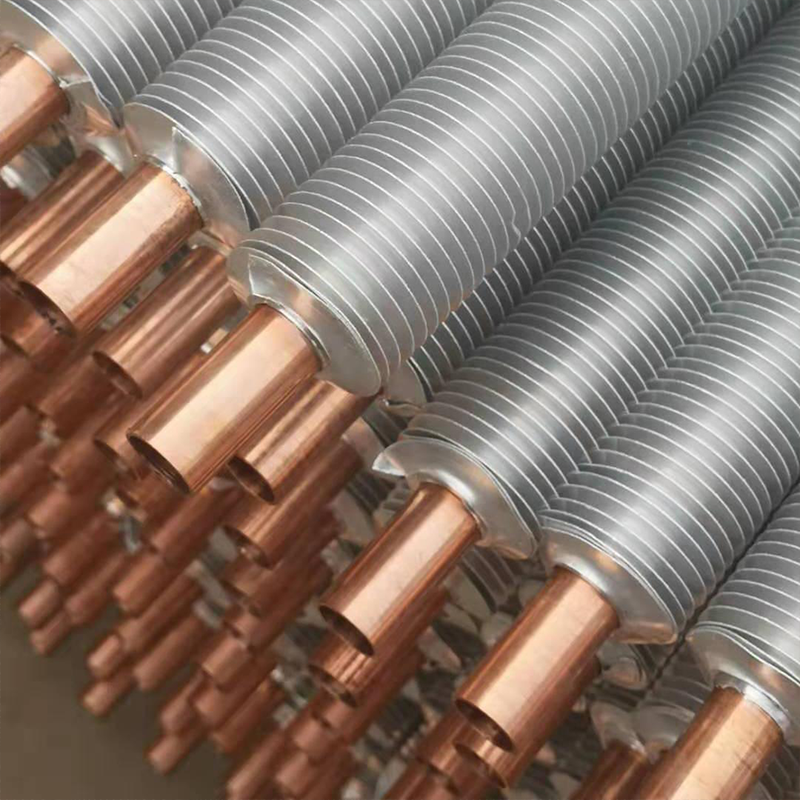
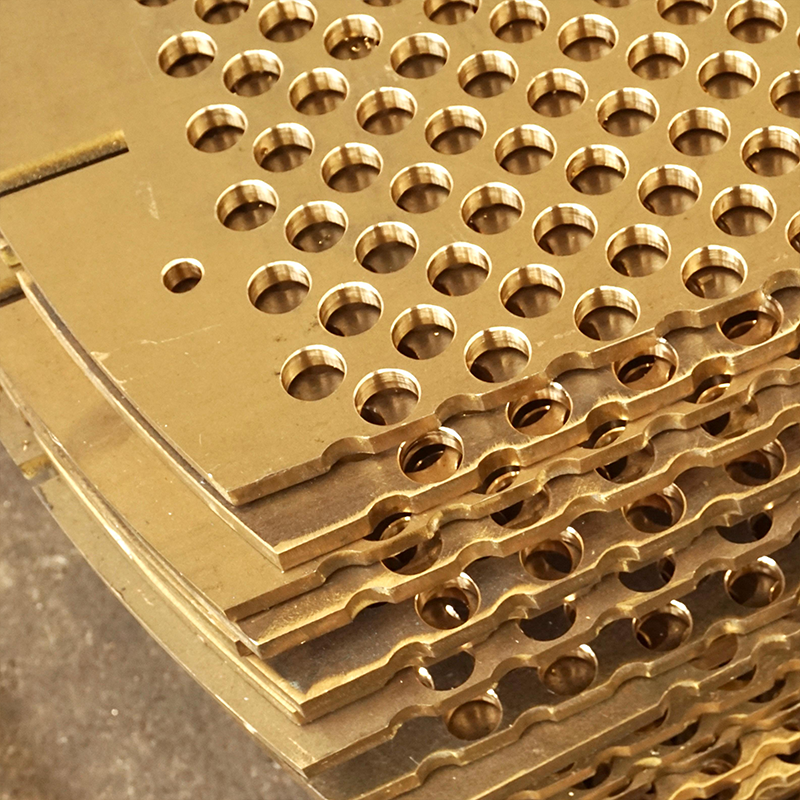
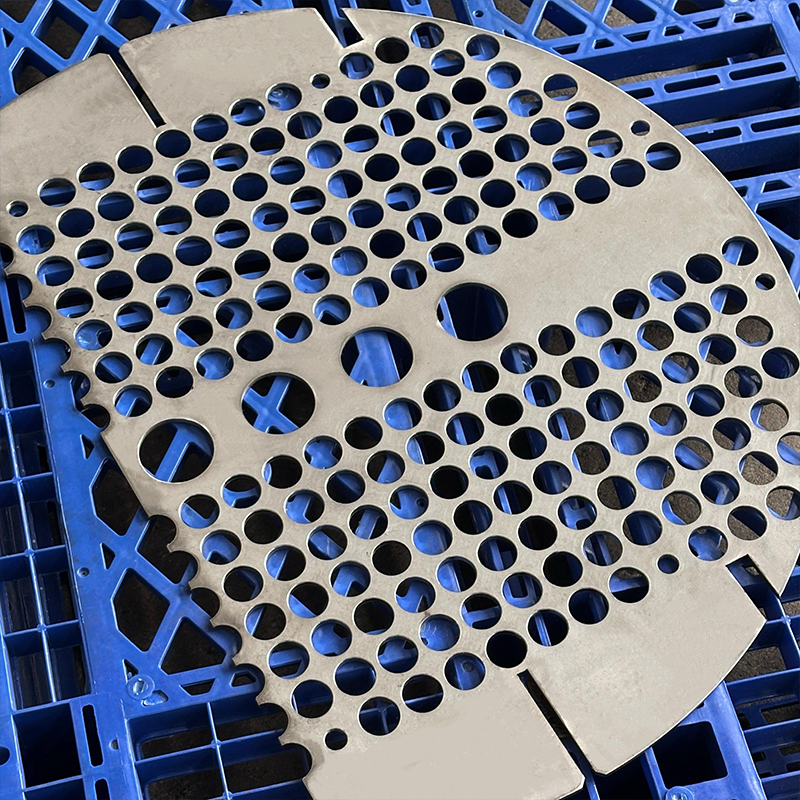
It is worth noting that success in these markets depends not only on the correct logistics of plastic containers, but also on an integrated approach to equipping industrial facilities. For example, companies such asWuxi Kaisheng Electric Power and Petrochemical Equipment Co., Ltd., demonstrate the effectiveness of integrating various types of industrial equipment. Specializing in the design and manufacture of heat exchangers (including titanium shell-and-tube and high-pressure ASME), recovery boilers and specialty alloy components (nickel, copper, brass), they provide turnkey solutions to customers in the oil refining, chemical and energy industries. Their experience shows that the availability of equipment certified to international standards (PED, ASME), capable of operating in extreme conditions of high pressure and temperature, is a critical factor of trust on the part of foreign partners. The same level of quality and customization demonstrated by market leaders in related sectors should also become a guideline for exporters of polyethylene tanks: the combination of reliable products, complete documentation and customization opens doors to even the most demanding markets in the Middle East and Asia.
Conclusion: turning government support into an engine of growth
Subsidies for exporters of PE tanks in 2026 are a powerful lever that can reduce costs by 30-50% and make Russian products competitive in the global market. However, this is not “easy money”, but a complex instrument that requires professional management. Success comes to those who integrate support processes into their daily operations rather than treating them as a one-time event. Strict adherence to documentation, understanding of the technical nuances of the classification of goods and competent planning of financial flows are the three pillars on which a successful export project rests.
We have seen how small workshops for the production of plastic tanks turned into regional export leaders, wisely using government support mechanisms. Conversely, large factories lost millions due to negligence in paperwork. The choice is yours. Use available resources to scale your business, enter new markets and strengthen the position of Russian industry abroad. Remember that the state is ready to share risks with you, but the initiative must come from you.
If you would like to assess your business's potential for participation in subsidy programs or need assistance with product classification and preparation of an export plan,contact us today. Our experts will audit your documentation and help you develop a strategy for entering international markets with maximum efficiency. Don't miss the opportunity to get financial support to develop your business.