
Schemes for piping tanks with plastic pipes”
2026-09-11
- Why tank piping schemes with plastic pipes determine the reliability of the entire system
- Key elements of a reliable strapping scheme
- Typical circuit configurations for different tasks
- Pipe materials and their effect on the design
- Step-by-step instructions for installation and acceptance
- Typical errors and ways to resolve them
- Integration with highly loaded heat exchange equipment
- Economic justification for choosing a quality scheme
- Compliance with standards and regulations
- Frequently Asked Questions
- Conclusion and recommendations for action
Why tank piping schemes with plastic pipes determine the reliability of the entire system
In our practice of designing industrial tanks, we have repeatedly encountered a situation where the tank itself withstood decades of operation, but its piping system failed after 18–24 months.Schemes for piping tanks with plastic pipes— this is not just a set of fittings and sections of the main line; This is a complex engineering system that must compensate for thermal expansion, vibration of pumping equipment and hydraulic shock. An error in calculating the supports or choosing the type of connection at the design stage leads to the client receiving cracks in the pipes or depressurization of the flanges after the first season of work. We have seen projects where saving 5% on the cost of fasteners resulted in the loss of the entire volume of product and downtime of the line for two weeks. Therefore, the correct choice of piping configuration is a critical safety factor.
When working with polymeric materials such as polypropylene (PP), polyethylene (PE) or PVDF, the engineer must consider their fundamental difference from steel - their high coefficient of linear expansion. If for a steel pipe 10 meters long when heated to 50°C the elongation is about 6 mm, then for polypropylene this figure will reach 60–70 mm. Ignoring this factor when developing a piping scheme leads to the fact that the pipe rests against the wall or adjacent equipment, creating colossal stresses at the attachment points. In one of our projects at a chemical plant in Tatarstan, an incorrect compensation scheme led to the extrusion of O-rings in flange connections, which caused the leakage of an aggressive reagent. This was a lesson: the circuit must be designed so that the pipe “breathes” but does not destroy itself.
This manual is based on real experience in installing more than 300 tank units with volumes from 1 to 500 m³. We will not retell the theory of strength of materials, but will focus on practical aspects: which components are required, where you can save money, and where it is strictly prohibited. You will learn how to correctly calculate the distance between supports, why U-shaped expansion joints are often better than bellows expansion joints in aggressive environments, and how to avoid cavitation in suction lines. The information is relevant to GOST standards and European DIN/ISO standards applied in the Russian Federation and CIS countries.
Key elements of a reliable strapping scheme
Any literatescheme for piping tanks with plastic pipesbegins with an analysis of the loads acting on the tank nozzles. The plastic pipe should not transmit mechanical forces to the tank body, especially if it is made of thin-walled polyethylene or fiberglass. The first element of any scheme is the unloading node. We recommend using sliding type movable supports at a distance of no more than 500 mm from the tank outlet. This allows the pipe to move along its axis during temperature deformations without bending the pipe. Rigidly fixing the pipe right next to the wall of the tank is the most common mistake of beginners, which is guaranteed to lead to a leak.
The second critical element is the shut-off valves. In circuits with plastic pipes, we strongly recommend installing full bore ball valves. The use of valves or valves creates additional hydraulic resistance and stagnation zones where sediment can accumulate or a bacterial film can develop. In addition, when installing the crane, it is necessary to provide for the possibility of its dismantling without disassembling the entire pipeline. For this purpose, American type detachable connections or flange adapters are used. In our practice, there was a case when the lack of such a connection forced workers to cut a pipe with a grinder to replace one tap, which stopped the work of the workshop for a day.
The third element is coarse filters. They are installed strictly in front of the pumping equipment on the suction line. Many designers forget that even clean water can contain slag from welding assembly joints or pieces of sealing tape. If a solid particle of 2–3 mm in size enters the impeller of a centrifugal pump, it leads to imbalance and rapid wear of the bearings. We require the installation of mesh filters with a transparent glass or the ability to visually monitor contamination. Cleaning the filter should be carried out regularly, and not after a drop in pressure, since clogging in plastic is less noticeable than in metal.
The fourth component is the check valve. It prevents water hammer when the pump stops and drains the liquid back into the reservoir. When choosing a check valve for a plastic trim, it is important to consider the weight of the poppet or spring. A mechanism that is too heavy may not open at low flow rates, creating a throttling effect. We prefer to use spring-loaded, soft-seated check valves that provide a tight seal even in the presence of small mechanical impurities. Installation of this element is required on the pressure line if the height of the liquid rise exceeds 2 meters.
The fifth element is thermal expansion compensators. As mentioned earlier, plastic varies greatly in size. On straight pipeline sections longer than 5–7 meters, the installation of a compensator is mandatory. There are two main types: U-shaped (from the pipe itself) and bellows (metal or plastic corrugated inserts). In chemical production, we more often use U-shaped expansion joints made of the same material as the pipe, since they are chemically resistant throughout the entire volume and do not have weak points in the form of welds with metal. Bellows analogues are good where there is little space for unfolding a loop, but they require careful selection of the corrugation material for a specific chemistry.
Calculation of distances between supports
Incorrect support spacing causes sagging pipes and the formation of “pockets” for air or sediment. For pipes with a diameter of 50 mm made of polypropylene, the maximum distance between fixed supports is about 0.6–0.7 meters at an ambient temperature of 20°C. When the temperature rises to 60°C, this step decreases to 0.4–0.5 meters. If you increase the distance, the pipe will begin to bend under its own weight and the weight of the liquid, which will create additional stress in the welded joints. We use a formula that takes into account the elastic modulus of the material and the moment of inertia of the section, but for a quick assessment you can use the tables of pipe manufacturers. It is important to remember: the support must enclose the pipe with a clamp that allows it to slide, unless it is a rigid fixation point.
Typical circuit configurations for different tasks
There is no universal scheme, since operating conditions dictate different requirements. Below we will look at the three most common strapping options that we implement at sites. Each of them has its own installation and operation features.
Fill & Drain diagram
This is the basic configuration for storage tanks for water, technical fluids or raw materials. The circuit consists of two independent lines: upper (fill) and lower (drain). The fill pipe usually enters the tank from the top. It is critical that the end of the pipe does not spray against the bottom or wall of the tank, causing erosion of the material or foaming of the liquid. We recommend using a pipe that goes almost to the bottom or a flow diffuser. The drain line is connected to the bottom pipe. The key point here is the organization of gravity flow. The pipe must have a slope of at least 2–3 cm per linear meter towards the discharge point. If the slope is less, there will be a “non-removable residue” in the pipe, which in winter can freeze and rupture the plastic. In our practice, freezing of water in a horizontal drain section 4 meters long led to the destruction of the fitting due to ice expansion.
Recirculation and mixing scheme
For tanks where it is necessary to maintain uniformity of composition or temperature, a recirculation scheme is used. The liquid is drawn from below by the pump, passes through a heat exchanger or filter and returns to the top of the tank. A special feature of this scheme is the presence of a bypass line with a control valve. The bypass allows you to adjust the required flow through the pump without changing the overall hydraulics of the system, and protects the pump from operating on a closed valve. When installing the return line, it is important to ensure tangential entry into the tank. This creates a vortex movement of the liquid, providing effective mixing without the use of mechanical stirrers. We have observed cases where direct injection of the jet caused cavitation noise and vibration of the tank body, which required reworking the injection unit.
Emergency discharge and overflow diagram
This scheme is a safety element and is often regulated by environmental regulations. The overflow pipe must have a diameter no smaller than the supply line in order to cope with the maximum flow rate of the pump in the event of an automation failure. The overflow inlet to the tank is equipped with a socket to prevent air entrapment. The overflow outlet is directed to the drainage system or emergency tank. The most important requirement is the absence of shut-off valves on the overflow line. Installing a tap here is strictly prohibited, as human error can lead to overflow of the main tank and spillage of the product. We use special spark arrestor nets at the overflow outlet if work is carried out with flammable liquids to prevent fire from entering the tank from the sewer.
Pipe materials and their effect on the design
The choice of pipe material directly dictates the method of assembling the circuit. The same techniques cannot be used for polypropylene (PP-R), cross-linked polyethylene (PEX) and PVDF.
- Polypropylene (PP-R / PP-H):The most popular material for water treatment and food industry. Connected by diffusion welding. The main advantage is the solidity of the joint, which is stronger than the pipe itself. The downside is high thermal expansion. Polypropylene strapping schemes require a large number of compensation loops. When welding, it is important to observe heating and cooling times; overheating leads to overgrowth of the internal section (“fungus”), which reduces the throughput by 30–40%. We regularly check the quality of welding by selectively opening control samples.
- Polyethylene (PE/HDPE):Used for underground communications and large diameters. Connected by butt welding or electric welding couplings. It has high flexibility, which allows it to be laid with fewer fittings at turns (cold bending method). However, PE has temperature restrictions (up to 40–60°C depending on the brand). PE circuits are often made in a ductless manner, but require UV protection if laid openly. The carbon black in black PE protects against UV, but colored pipes (blue for water) quickly degrade in the sun without insulation.
- PVDF:Premium material for aggressive chemical environments (acids, alkalis, oxidizing agents). 5–7 times more expensive than polypropylene. Welding requires special equipment with precise temperature control (around 260–270°C). PVDF is fragile when exposed to frost, so circuits made from it cannot be mounted at subzero temperatures without heating the joints. But it can withstand temperatures up to 140°C and has minimal water absorption. When designing PVDF circuits, we incorporate larger turning radii to reduce local stresses in the material.
When mixing materials (for example, changing from a steel tank pipe to a plastic line), the correct choice of adapter flange is critical. We use solid plastic flanges with a metal ring, not just welded collars. This ensures that the bolt tightening force is evenly distributed. Flange misalignment during assembly is a common cause of leakage, which cannot be eliminated by simply tightening the bolts; requires a complete re-assembly.
Step-by-step instructions for installation and acceptance
Even an ideal design on paper can become a disaster if executed poorly. Below is the algorithm of actions that we require from our installation teams. Following these steps will ensure the longevity of the system.
- Preparation and marking of the route.Before starting work, it is necessary to clean the installation area and mark the center lines of pipe laying on the walls or structures. Use a laser level to ensure accurate grades. An error in marking of 1–2 degrees over a long section will lead to the fact that the last joint simply will not meet, and the pipe will have to be heated and bent by force, creating internal stresses. Check for free access to future installation locations of valves and metering devices. We require a minimum of 30cm of space around each tap for key operation.
- Pipe cutting and trimming.Pipes are cut with special scissors or circular saws with fine teeth. It is forbidden to use a grinder with an abrasive wheel, as it melts the edges and leaves irregularities that impair the quality of welding. After cutting, the chamfer must be removed at an angle of 30 degrees with a special tool. The absence of a chamfer will lead to the fact that during welding the molten material will collect in a bead inside the pipe, narrowing the passage. We carry out a visual inspection of each prepared part: the edge must be smooth, without burrs or contamination.
- Welding joints (for thermoplastics).This is the most critical stage. The heater temperature must be appropriate for the type of material (usually 260°C for PP). The parts are put on the nozzle at the same time: the pipe is out, the fitting is in. Heating time depends on the diameter (for 50 mm - about 18 seconds). After removal from the heater, the parts are connected without rotation and fixed during cooling.Common mistake:an attempt to rotate the parts when connecting for “better contact.” This destroys the structure of the melt and makes the joint defective. We mark each welded joint with the welder number and date to track liability.
- Installation of fasteners and compensators.The pipeline is laid on supports. The clamps are tightened with enough force to hold, but not compress the pipe. It is recommended to lay a rubber band between the clamp and the pipe to reduce noise and vibration. Compensation loops are installed in accordance with the project. It is important to check that nothing interferes with the free movement of the pipe inside the loop. We use temporary spacers when installing long sections, which are removed only after all joints have completely cooled.
- Hydraulic tests.Before commissioning, the system is filled with water and subjected to a pressure exceeding the operating pressure by 1.5 times (but not higher than the maximum permissible for this class of pipes). Holding time under pressure is at least 30 minutes for visual inspection and 2 hours for monitoring pressure drop.Attention:Testing plastic pipes with compressed air is dangerous! When ruptured, the pipe behaves like a whip, and the air has high elastic deformation energy. We only test with water. All joints are inspected for drips. Even micro-oozing is unacceptable.
After successful tests, a hidden work report (for underground sections) and a hydraulic test report are drawn up. Only the presence of these documents gives the right to connect technological equipment.
Typical errors and ways to resolve them
Over the years of work, we have compiled a list of “anti-recommendations” - things that you absolutely cannot do, although the temptation is great.
Mistake #1: Using metal clamps without a rubber gasket.Metal cuts plastic due to vibration or thermal expansion. After a year of operation, deep grooves appear on the pipe, leading to a through crack. Solution: Always use clamps with EPDM or silicone liner, or apply a layer of duct tape/bitumen tape before installing a standard clamp.
Mistake #2: Installation in the cold season without acclimatization.If the pipes were stored outside at -20°C, and installation was carried out in a warm workshop, condensation on the surface of the parts will make welding impossible. The moisture will turn into steam when heated and create pores in the seam. Rule: pipes must lie in the installation room for at least 24 hours before starting work.
Mistake #3: Ignoring support for heavy nodes.Pumps, meters and large valves create a point of mass concentration. If you hang them only on the pipe, it will bend and break the fitting. Solution: under each heavy element there should be its own independent support or console attached to the wall/floor. The pipe fits freely to the pump, without tension.
Mistake #4: Incorrect selection of seals.In threaded connections (fittings with a metal insert), flax with paint or cheap FUM tape are often used. This is unacceptable for aggressive environments. The flax rots, the FUM tape can squeeze out. We use only medium-hold anaerobic sealants or paronite gaskets that are resistant to specific environments. Only certified threads and pastes are allowed for drinking water.
Integration with highly loaded heat exchange equipment
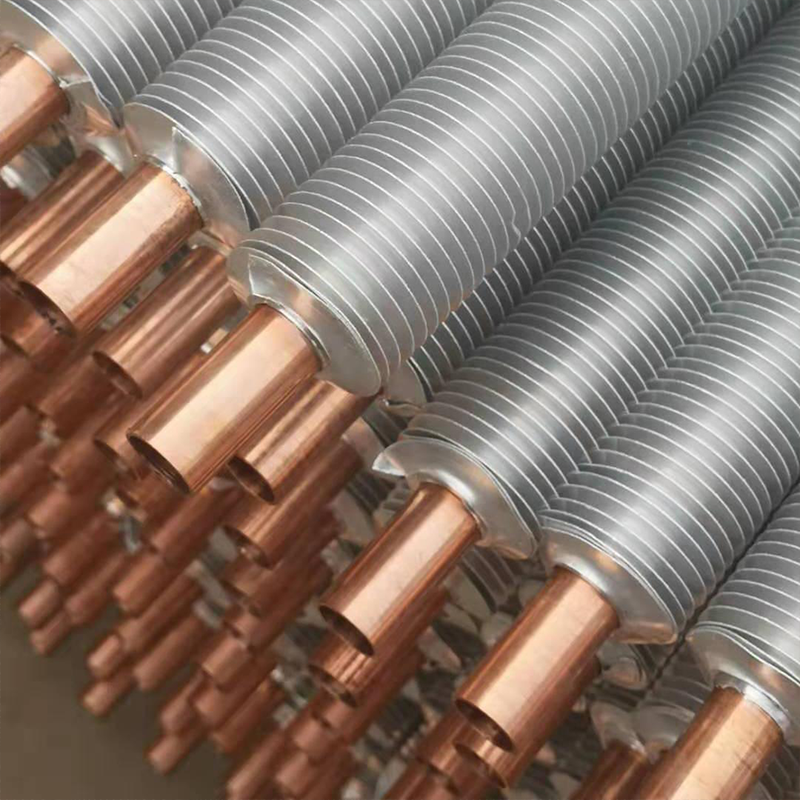
A reliable plastic pipe piping scheme is often only part of a complex technological chain, where heat exchange equipment plays a key role. In the refining and petrochemical industries where such systems are used, it is critical that all components meet the highest quality standards. Here the solutions from the company come to the foreWuxi Kaisheng Electric Power and Petrochemical Equipment Co., Ltd.. Specializing in the design and manufacture of advanced heat exchange equipment, the company offers ASME titanium shell-and-tube heat exchangers and high-pressure units that are ideally integrated into plastic piping systems.
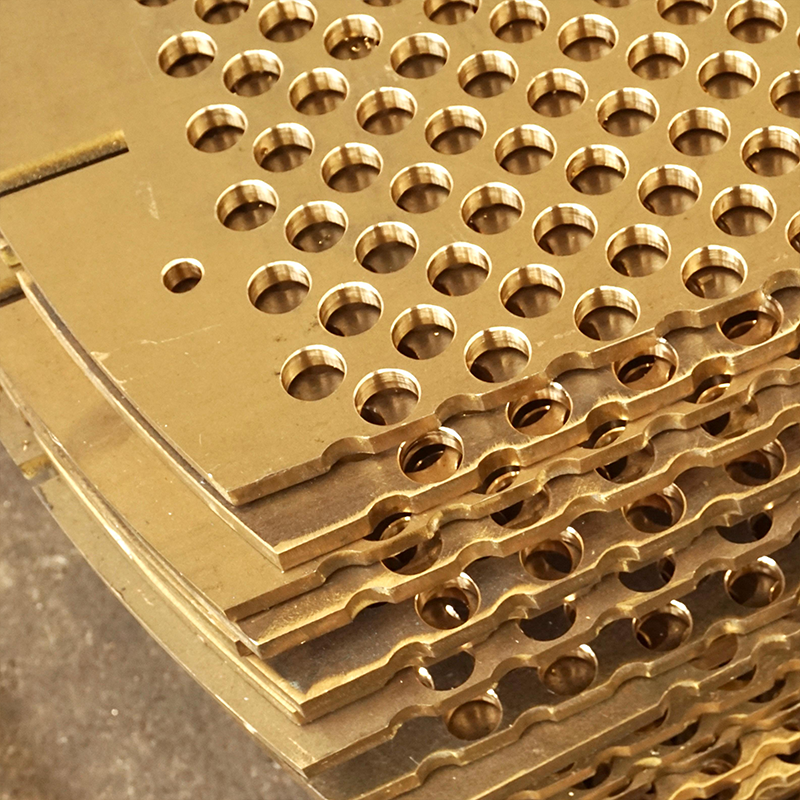
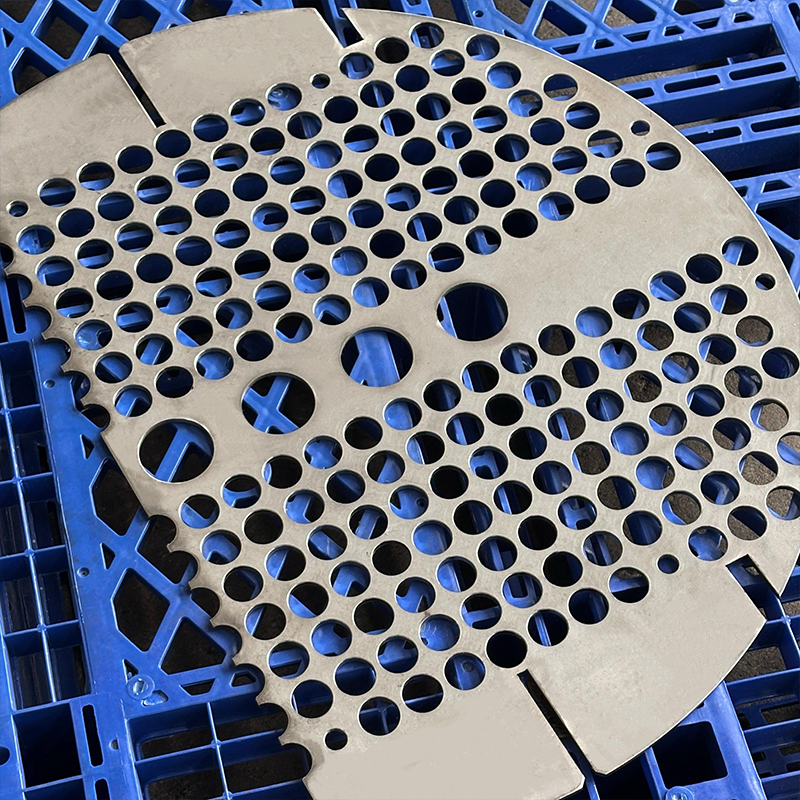
Wuxi Kaisheng products, including corrugated tube bundles made from 316 stainless steel, C46400 marine brass and N06625 nickel alloys, provide exceptional corrosion resistance and thermal efficiency even in the most corrosive environments. When plastic piping carries the reagent to a heat exchanger made of carbon, alloy steel or titanium, the entire system operates as a single organism. PED and ASME certification ensures resistance to high pressures and temperatures, adding to the reliability of properly designed plastic piping. Whether for seawater desalination, shipbuilding or energy-saving projects, customized solutions from Wuxi Kaisheng enable customers around the world to create stable and durable production lines where every element - from plastic fittings to titanium tube sheets - operates at maximum efficiency.
Economic justification for choosing a quality scheme
Many customers try to save on the piping project by choosing a minimum number of fittings and cheap Chinese analogues of pipes. Let's calculate the real cost of ownership. Cheap pipe made from recycled materials has unstable geometry and low thermal stability. The probability of its failure in the first 3 years is about 15–20%. The cost of eliminating an accident includes not only the replacement of a piece of pipe (500–1000 rubles), but also production downtime (tens of thousands of rubles per hour), losses from loss of product and payment for the emergency crew. In our case at a dairy plant, a break in a cheap pipe led to flooding of the electrical cabinet and a line shutdown for 18 hours. The loss amounted to more than 2 million rubles when the cost of the pipe was 3 thousand.
In contrast, a well-designed circuit made from a certified material (such as PP-RCT or PVDF) will last 20-50 years without intervention. Additional costs for expansion joints and high-quality supports are recouped by the absence of repairs. Moreover, neat piping makes maintenance easier: the operator can see all the components, easily change filters and take samples. This improves production culture and reduces the risk of human errors.
Compliance with standards and regulations
When designingschemes for piping tanks with plastic pipesWe are guided by the following regulatory documents:
- GOST 32415-2013:Pressure pipes made of thermoplastics and connecting parts for them for water supply and heating systems. General technical conditions.
- SP 40-101-96:Design and installation of pipelines made of random copolymer polypropylene.
- DIN 8077/8078:European standards for polypropylene pipes (often used as a quality standard).
- SanPiN 2.1.4.1074-01:For drinking water supply systems (requirements for migration of harmful substances).
The use of materials that do not have certificates of compliance with these standards may lead to problems when handing over the facility to supervisory authorities (Rostekhnadzor, Rospotrebnadzor). We provide a full package of quality certificates for each batch of pipes and fittings.
Frequently Asked Questions
What is the maximum diameter of plastic pipes used for piping tanks?
Extrusion and welding technology makes it possible to produce and install polyethylene and polypropylene pipes with a diameter of up to 1200 mm and even higher. However, for internal piping of tanks in workshops, the most common range is from 20 mm to 315 mm. Pipes with a diameter of over 400 mm require special bulky welding equipment and significant space for maneuver. For such diameters, we often recommend using the butt welding method in a factory with delivery of finished braids to the site, since welding a 500 mm elbow in cramped conditions is extremely difficult and risky.
Is it possible to paint plastic pipes for UV protection?
Yes, you can, but with caution. Regular oil-based paints may contain solvents that can corrode or make the plastic surface brittle. We recommend using specialized acrylic enamels for plastic or wrapping pipes with foil insulation, which simultaneously protects from UV and maintains the temperature of the coolant. Black PE pipes contain carbon black (soot), which is a natural stabilizer, so they do not need to be painted. White and gray pipes (PP-R) without protection in the open air begin to degrade after 1–2 years, becoming brittle.
How to ensure the tightness of the metal-plastic transition?
The most reliable way is to use a detachable connection with a union nut (“American”) and a flat rubber or paronite gasket. Threaded seals on tape or thread in such units are less reliable due to the different coefficient of expansion of metal and plastic when heated, which can weaken the thread tension. We recommend using fittings with a metal threaded insert pressed into the plastic rather than simply welded on. This eliminates the risk of threads coming off when twisting. The tightening torque should be controlled with a torque wrench so as not to crush the plastic part of the fitting.
Is it permissible to lay plastic piping pipes in the ground?
Yes, it is acceptable, especially for pipes made of cross-linked polyethylene (PEX) or HDPE. These materials are resistant to soil corrosion and stray currents. However, there are nuances: the trench must be cleared of stones, and a layer of sand (at least 10–15 cm) for a soft cushion is required under and above the pipe. The laying depth must be lower than the freezing depth of the soil in your region, or the pipe must be insulated and equipped with a heating cable. Polypropylene (PP) is used less frequently for direct backfilling due to its greater sensitivity to point loads and impacts during installation.
Conclusion and recommendations for action
Designing and installing a piping system is an investment in the continuity of your production. Correctly chosenscheme for piping tanks with plastic pipesensures not only liquid transportation, but also personnel safety, product safety and ease of maintenance. Do not try to simplify the circuit by removing compensators or skimping on supports: the physics of materials is inexorable, and the pennies saved today will turn into millions of losses tomorrow.
If you are planning to modernize existing tanks or build new storage units, we are ready to offer professional engineering. Our specialists will develop a 3D model of the piping, select the optimal materials for your chemicals and carry out installation with a guarantee on welded joints. We work in all regions of Russia and the countries of the Customs Union, observing deadlines and budgets.
Don't risk the reliability of your company. Contact us today for a free consultation and audit of your current piping system. We will help you avoid the mistakes that others make.