
20 mm polypropylene pipes: consumption and price”
2026-08-12
- 20 mm polypropylene pipes: consumption and price - exact figures for the estimate
- Real pipe flow rate of 20 mm: calculation method and safety factors
- Price analysis: from raw materials to the final cost of a meter
- Technical parameters affecting durability and price
- Logistics, storage and hidden costs
- Integration of engineering solutions: from household plumbing to industrial systems
- Frequently Asked Questions
- Conclusion and recommendations for purchasing
20 mm polypropylene pipes: consumption and price - exact figures for the estimate
The exact cost of installing a water supply or heating system depends on two variables: the actual length of the pipeline, taking into account all turns, and the current exchange price for raw materials. In our practice as design engineers, we often see how clients budget for “average” values, which leads to a shortage of material on site or a cash gap when purchasing. 20 mm polypropylene pipes, consumption and price of which are key parameters for residential and commercial projects, require detailed calculations rather than intuitive assessment. We analyzed hundreds of completed projects in climatic zones from Krasnodar to Yakutsk to provide you with data based on actual acts of work performed, and not on theoretical formulas from textbooks.
In this material we will not use marketing phrases like “high quality” or “affordable price”. Instead, you will receive specific safety factors, tables comparing the cost of a linear meter from different manufacturers (China, Turkey, Russia, Europe) and an analysis of hidden costs that suppliers are silent about. If you are preparing a commercial proposal or approving an estimate for a customer, this information will allow you to avoid mistakes that in the past cost our partners up to 15% of the project margin.
Why 20mm diameter remains the standard and where its use is limited
Diameter 20 mm (external) is the most common size for internal distribution of cold and hot water in apartments and private houses. This is due to hydraulic resistance: with this cross-section, sufficient flow is provided for the simultaneous operation of 2-3 plumbing fixtures without a critical pressure drop. However, in our practice, there was a case when a developer tried to save money by using 20 mm pipes for the risers of a multi-storey building instead of the calculated 25 or 32 mm. The result was a drop in pressure on the upper floors during peak hours and a series of lawsuits from residents. This example proves: the choice of diameter should be based on hydraulic calculations, and not on the desire to unify the purchase.
From an economic point of view, a 20 mm pipe offers the best price/capacity ratio for final branches. When switching to larger diameters, the cost per linear meter increases exponentially, and the need for fittings increases due to the complexity of installation in cramped conditions. For “warm floor” heating systems, this size is also basic, but here the wall thickness and the presence of reinforcement are critically important. A regular PN10 or PN16 pipe may not withstand thermal expansion when the coolant is heated above 60°C, which will lead to deformation of the contours and destruction of the screed.
We recommend using 20 mm pipes strictly for their intended purpose: supply lines to radiators, distribution throughout the apartment, heated floor contours with a laying step of at least 10 cm. For pipelines supplying several apartments or entire floors, this size is unacceptable. An error in choosing the type of pipe (unreinforced instead of reinforced with fiberglass or aluminum) at the procurement stage is revealed only after the first season of operation, when the system begins to “leak” or make noise due to cavitation. Always check the PN (Pressure Nominal) marking before placing an order.
Real pipe flow rate of 20 mm: calculation method and safety factors
Calculating the amount of material is not just measuring the distance between connection points according to the floor plan. The linear dimensions in the drawing and the actual length of the pipe that will fit into the groove or run along the floor are always different. In our company we use an empirical safety factor, which varies from 1.15 to 1.25 depending on the complexity of the route. Ignoring this rule leads to the fact that installers stop work in the midst of it, waiting for the delivery of another 10-20 meters of pipe, which delays the completion of the project.
The main item of overspending is trimmings. When installing polypropylene, every turn, every transition through the wall and every connection to a fitting requires a pipe cut. The remaining pieces 10-30 cm long are almost impossible to use in other places due to the requirements of the welding technology (a reserve is needed for insertion into the fitting). One of our clients, trying to save money, forbade the team to use the safety factor and ordered the material “back to back” using a tape measure. As a result, they had to buy additional pipes in small wholesale at a retail price that was 40% higher than the contract price, plus pay for calling installers again. The lesson was learned: savings at the calculation stage lead to direct losses.
For a standard apartment with an area of 60-80 m² with two bathrooms, the average consumption of a 20 mm pipe is from 80 to 120 linear meters. This figure includes cold and hot water, as well as wiring to the heated towel rail. If the project includes a heated floor system, the consumption increases many times: for 1 m² of heated area, approximately 5-6 linear meters of pipe are required with a laying step of 15-20 cm. It is important to remember that for heated floors, coils of 100 or 200 meters are often used, and joining them inside the screed is prohibited. Therefore, the calculation should be carried out taking into account the multiple length of the coil in order to minimize the number of couplings.
Another factor affecting consumption is the installation method. Open wiring requires less material, since the route follows the shortest path. Hidden wiring (in grooves or behind drywall) often dictates more complex routes around load-bearing structures, beams and ventilation ducts, which increases the length of the route by 10-15%. Additionally, for concealed installations, we strongly recommend using expansion loops on long straight hot water runs to compensate for linear expansion. These loops also require additional pipe footage, which is often forgotten to be included in the estimate.
Table of standard consumption and recommended stock
| Object type | Area / Number of points | Average design flow (m) | Recommended reserve (%) | Total for purchase (m) |
|---|---|---|---|---|
| Studio / 1 room apartment | up to 40 m², 3-4 points | 40 – 50 | 15% | 50 – 58 |
| 2-room apartment | 50 – 70 m², 5-6 points | 70 – 90 | 15% | 81 – 104 |
| 3-room apartment | 80 – 100 m², 7-9 points | 100 – 130 | 20% (difficult track) | 120 – 156 |
| Private house (wiring) | 1st floor, 2 bathrooms | 150 – 200 | 20% | 180 – 240 |
| Warm floor (circuit) | 1 m² area | 5 – 6 m.p. | 5% (for coil trimmings) | 5.25 – 6.3 m.p. |
The data in the table is based on our supply statistics for 2024-2025 for facilities in central Russia. Please note that for country houses with a boiler room in a separate room, the consumption may be significantly higher due to the length of the supply arm from the heat source to consumers. In such cases, we recommend making a phased purchase or conducting a detailed BIM design of routes to eliminate the purchase of excess material. Also note that fittings (angles, tees, couplings) are purchased separately, and their quantity is usually 30-40% of the number of pipes in monetary terms.
Price analysis: from raw materials to the final cost of a meter
The price of 20 mm polypropylene pipes is not a static value and directly correlates with oil and propylene quotes on world exchanges. At the beginning of 2025, we observed price volatility related to supply chains and exchange rate differences. Understanding the pricing structure helps the buyer distinguish between a real increase in the price of a product and a speculative increase in price by the distributor. The cost consists of the price of granulate (PP-R), extrusion costs, cost of the reinforcing layer (if any), packaging, logistics and brand markup.
There are four main price segments in the Russian market, each of which has its own risks and advantages. Cheap pipes (economy class) are often made from recycled materials or a mixture with a large amount of chalk. Their price may be 30-40% lower than the market price, but the risk of leakage after 2-3 years of operation tends to 100%. We categorically do not recommend using such products for hidden installation. In our practice, there was a case when a hotel saved about 200 thousand rubles on pipes, but a year later lost millions on room renovations after a series of breaks in the walls.
The middle segment is represented by high-quality Russian and Turkish brands. Here the price is justified by the use of primary raw materials (often European or Korean production) and compliance with GOST or DIN standards. The price/quality ratio in this group is the most balanced for mass construction. The premium segment (German, Czech brands) offers maximum reliability and long warranties, but the price can be 2-3 times higher than average. For luxury housing or facilities with high security requirements, this is justified, but for a typical apartment building such an overpayment is not always advisable.
Comparative table of the cost of 20 mm pipes (estimated prices for 2025)
| Category | Country of origin | Pipe type | Price per meter (RUB)* | Features and risks |
|---|---|---|---|---|
| Economy | China / Russia (no name) | PN20 (without reinforcement) | 25 – 35 | High risk of deformation, possible use of recycled materials. Only for open cold water supply. |
| Standard | Türkiye / Russian Federation (brands) | PN20 Fiberglass | 45 – 65 | The best choice. Stable geometry, good welding. Suitable for domestic hot water and heating. |
| Premium | Germany / Czech Republic | PN20 Fiberglass | 90 – 130 | Perfect roundness, minimal elongation. High brand price. DVGW certificates. |
| Specialist. appointment | EU/RF | PN25 Aluminum | 70 – 100 | Requires cleaning before welding. Maximum oxygen impermeability. Expensive installation. |
*Prices are approximate for wholesale quantities of 1000 meters and may vary depending on the region and volume of purchase. The retail price in construction hypermarkets can be 40-60% higher.
When analyzing price, it is important to look not only at the cost per meter of pipe, but also at the price of compatible fittings. Some manufacturers dump on pipes, but inflate the price on shaped products, on which they make the main margin. Since the number of fittings in the system is large, the final estimate may be more expensive than if you purchased a more expensive but complex system. We advise you to immediately request a commercial offer for the complete set: pipes, fittings, fasteners and tools in order to see the full picture of costs.
Technical parameters affecting durability and price
Polypropylene (PP-R) seems like a simple material, but the devil is in the details of the chemical composition and production technology. The main parameter that determines price and reliability is the type of polypropylene. The most common is PP-R (type 3), which has better heat resistance and impact strength compared to PP-H or PP-B. Unscrupulous manufacturers can mix types of polymers, reducing costs, but critically worsening weldability. The seam on such a pipe may look perfect, but delaminate under pressure after six months.
Reinforcement is the second key factor. 20 mm pipes without reinforcement (usually PN10 or PN16) have a high coefficient of linear expansion (up to 15 cm per 10 meters when heated by 50 degrees). This makes them unsuitable for hot water and heating without installing many compensators, which increases the cost of installation. Reinforced pipes (fiberglass or aluminum) have 3-5 times less expansion. Fiberglass is fused into the pipe structure, creating a monolith that does not require stripping. Aluminum reinforcement creates an ideal barrier to oxygen, preventing corrosion of the metal elements of the boiler, but requires mandatory cleaning with a special shaver before soldering.
The wall thickness also varies. For a 20 mm pipe it can range from 1.9 mm (PN10) to 3.4 mm (PN25). A thicker wall means more raw material consumption and therefore a higher price, but also the ability to withstand more pressure at higher temperatures. An error in choosing the pressure class (PN) leads to the fact that a pipe designed for 10 bar at 20°C can only hold 2-3 bar at 75°C. In autonomous heating systems, pressure fluctuates, and a safety margin is necessary. We recommend using a minimum of PN20 for domestic hot water and heating, and preferably PN25, even if the operating pressure in the system is low.
The color of the pipe (gray, white, green) does not affect the technical characteristics, it is just a pigment. However, gray is often used for UV protection in exposed installations, although polypropylene is still not recommended for outdoor use without insulation. White is traditionally associated with German quality (due to the Aquatherm brand), but now everyone uses it. Don’t judge quality by color - ask for a quality passport and a certificate of conformity.
Certification and standards: what to look for when purchasing
In Russia and the EAEU countries, the main document is the GOST R Certificate of Conformity or Declaration of Conformity TR CU 032/2013 “On the safety of equipment operating under excess pressure.” The presence of this document is mandatory. However, the stamp on the certificate alone does not guarantee the quality of each batch. We were faced with a situation where the certificate was genuine, but the batch of goods turned out to be “left-handed”, produced on homemade equipment. Therefore, for large purchases, we insist on providing test reports specifically for this batch of goods.
For export projects or working with international customers, European standards DIN 8077/8078 and DVGW (Germany) or WRAS (UK) certification are important. These markings certify that the material is safe for drinking water and has passed stringent durability tests (usually a design life of 50 years under certain parameters). Chinese manufacturers are increasingly obtaining these certificates, which increases confidence in their products, but the price remains competitive. You can check the authenticity of a foreign certificate on the website of the certification body.
The markings on the pipe itself must be clear, indelible and applied in increments of no more than 1 meter. It must contain: manufacturer's name, material (PP-R), size (20 mm), wall thickness, pressure class (PN), standard number and production date. Missing any of these items is a red flag. In our practice, we refused to cooperate with one large distributor after we discovered that the production date on the pipes was erased or missing, which could indicate that the material was stored in inappropriate conditions or that it was more than 5 years old (polypropylene ages).
Logistics, storage and hidden costs
The purchase price of the pipe is only part of the cost. The logistics of polypropylene pipes has its own specifics due to their volume. 20 mm pipes are sold in 2 or 4 meter lengths. This creates a problem of “air” during transportation: a truck can be loaded by volume by 100%, but by weight only by 30%. This makes delivery to remote areas expensive. Optimizing loading and choosing the nearest distributor warehouse can save up to 15% of the budget. We recommend consolidating orders with other materials to reduce unit shipping costs.
Storage conditions play a critical role. Polypropylene is afraid of ultraviolet radiation and frost. Storing pipes in the open sun, even for a month, leads to degradation of the polymer and it becomes brittle. In winter, frozen water inside the pipe (if it got there in a warehouse) or simply exposure to extremely low temperatures (-20°C and below) can cause microcracks. During subsequent installation and application of pressure, such pipes will burst. We require suppliers to confirm that the goods have been stored in a heated or closed warehouse. Acceptance of goods in winter should be carried out especially carefully, with a visual inspection of each whip for chips and cracks.
Another hidden expense is trim disposal and packaging. A large facility generates tons of plastic film and plastic waste. In some regions, environmental fines for improper disposal of construction waste become a significant cost item. Plan your waste collection area in advance. Also consider the cost of installation supplies: soldering iron tips wear out, Teflon tape and thread for threaded connections cost money. In the estimate for “consumption and price” these little things are often missed, but in total they add up to a tangible figure.
Integration of engineering solutions: from household plumbing to industrial systems
Although this article focuses on 20mm domestic water systems, the principles of reliability, proper selection of materials and adherence to standards are universal across the entire thermal power and oil and gas industries. The scale changes, but the quality requirements remain the same: whether it is an apartment or a large oil refinery, an error in the choice of material or ignoring thermal expansion leads to accidents.
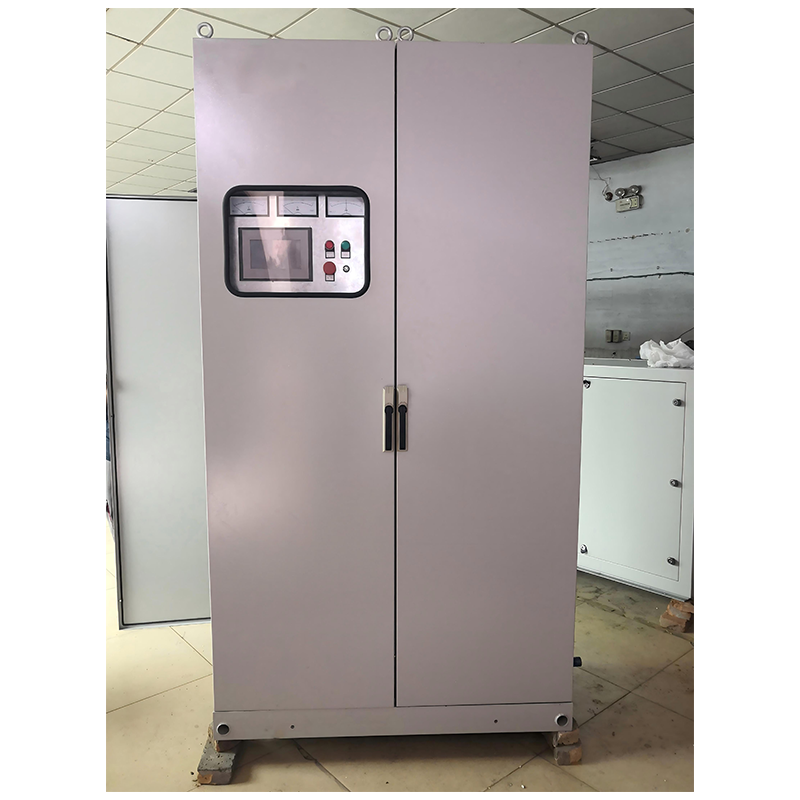
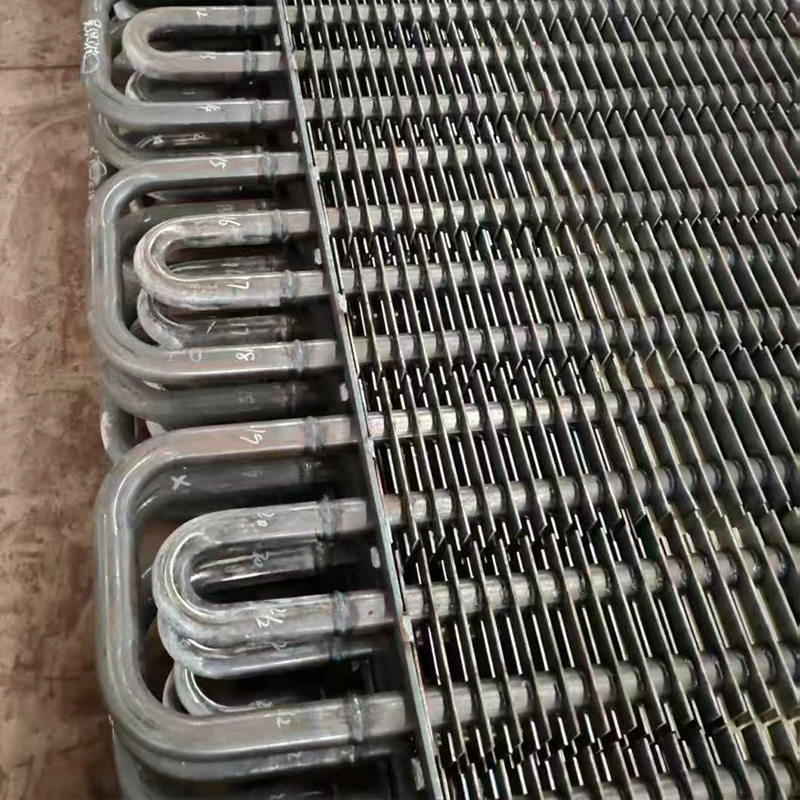
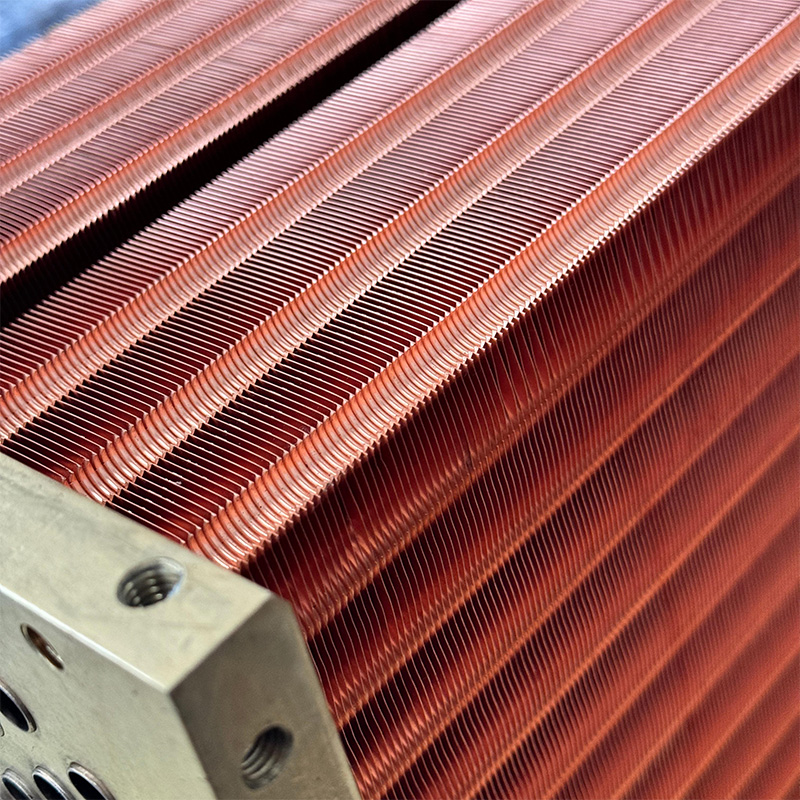
В контексте сложных промышленных задач, где требования к давлению, температуре и коррозионной стойкости многократно выше, ключевую роль играют специализированные решения.Wuxi Kaisheng Electric Power and Petrochemical Equipment Co., Ltd.специализируется именно на таких высоконагруженных системах. Компания разрабатывает и производит теплообменное оборудование, способное работать в экстремальных условиях: титановые кожухотрубные теплообменники, аппараты ASME высокого давления, гофрированные трубные пучки из нержавеющей стали 316, морской латуни C46400, медно-никелевых сплавов и никелевых сплавов N06625.
Продукция «Уси Кайшэн», включая воздушные охладители, котлы-утилизаторы и трубные решетки из различных сплавов (нержавеющая сталь 321, латунь, медно-никель), сертифицирована по строгим международным стандартам PED и ASME. В отличие от массового полипропилена, эти изделия изготавливаются из углеродистой, легированной стали, титана и специальных сплавов, обеспечивая максимальную коррозионную стойкость и теплоэффективность. Опыт компании в создании индивидуальных решений для нефтепереработки, химической промышленности, опреснения морской воды и судостроения подтверждает: независимо от масштаба проекта — от разводки в ванной комнате до технологической линии НПЗ — успех зависит от компетенции производителя и качества применяемых материалов. Стабильное оборудование и профессиональный подход «Уси Кайшэн» позволяют заказчикам по всему миру реализовывать проекты любой сложности без компромиссов в безопасности.
Frequently Asked Questions
Какой запас трубы 20 мм брать на квартиру 60 кв.м.?
Для стандартной двухкомнатной квартиры площадью 60 кв.м. с двумя санузлами оптимальный объем закупки составляет 90-100 погонных метров трубы 20 мм. Эта цифра включает разводку холодной и горячей воды ко всем точкам водоразбора (раковина, унитаз, ванна/душ, стиральная машина, посудомоечная машина) с учетом коэффициента запаса 15-20% на подрезку и ошибки монтажа. Если планируется установка водяного теплого пола, к этому объему нужно добавить примерно 300-350 метров (из расчета 5-6 м на кв.м. отапливаемой площади). Покупать меньше рискованно: дозаказ малым объемом увеличит стоимость метра и задержит ремонт.
Влияет ли цвет трубы (серая, белая, зеленая) на ее качество?
Нет, цвет пигмента никак не влияет на технические характеристики, прочность или долговечность полипропиленовой трубы. Цвет добавляется производителем исключительно для маркетинговых целей или различия линеек продуктов. Белые трубы часто ассоциируются с европейским качеством из-за популярных немецких брендов, но российские и турецкие заводы также выпускают белые, серые и зеленые трубы одинакового качества. Единственное практическое отличие: серые трубы меньше заметны в пыли при открытой прокладке в технических помещениях, а белые выглядят эстетичнее в интерьере. Выбирайте цвет исходя из дизайна, а качество подтверждайте сертификатами.
Можно ли соединять трубы 20 мм разных производителей?
Технически это возможно, если наружный диаметр и овальность труб совпадают, что характерно для качественного PP-R. Однако мы категорически не рекомендуем делать это в ответственных системах. Разные производители используют разные добавки и немного отличающиеся температуры плавления полимера. Это может привести к тому, что при стандартной температуре пайки (260°C) один материал перегреется, а другой недогреется, что создаст слабый шов. Гарантию на такую систему ни один производитель не даст. В нашей практике мы фиксировали протечки именно на стыках разнородных труб через 6-12 месяцев. Используйте фитинги и трубы одного бренда для надежности.
Почему цена на трубы 20 мм отличается в два раза у разных продавцов?
Разница в цене обусловлена тремя факторами: сырьем, брендом и логистикой. Дешевые трубы часто производятся из вторичного переработанного полипропилена или смеси с дешевыми наполнителями (мел), что снижает их термостойкость и пластичность. Брендовые трубы (Германия, Чехия) включают в цену стоимость НИОКР, строгий контроль качества на каждом этапе и длительную гарантию. Кроме того, импортные трубы несут нагрузку таможенных пошлин и сложной логистики. Разница в цене в 2 раза — это норма рынка между сегментом “эконом” и “премиум”. Для скрытой разводки в стенах экономия не оправдана: стоимость замены прорвавшей трубы (вскрытие плитки, штукатурки) превысит любую разницу в цене материала.
Conclusion and recommendations for purchasing
Подводя итог анализу темы “Трубы 20 мм из полипропилена: расход и цена”, можно сделать вывод, что успешный проект строится на балансе между технической грамотностью и экономической целесообразностью. Не гонитесь за самой низкой ценой за метр — в сантехнике скупой платит дважды, причем счет приходит в виде затопленной квартиры и испорченного ремонта. Используйте приведенные нами коэффициенты запаса при расчете сметы, чтобы избежать простоев. Отдавайте предпочтение проверенным брендам среднего и высокого сегмента, имеющим действующие сертификаты ТР ТС и положительные отзывы профессиональных монтажников.
Помните, что труба — это лишь половина системы. Качество фитингов и квалификация сварщика играют не меньшую роль. Мы рекомендуем закупать полный комплект материалов у одного надежного поставщика, который может предоставить техническую поддержку и гарантию на совместимость компонентов. Если вы планируете крупную закупку для строительного объекта или нуждаетесь в проекте системы водоснабжения, наши специалисты готовы провести аудит вашей сметы и предложить оптимизированное решение.
Contact us todayдля получения актуального прайс-листа на трубы 20 мм и консультации инженера. Мы поможем рассчитать точный расход под ваш объект и подобрать оборудование, которое прослужит десятилетия без аварий.
Читайте также нашу статью:Полный гид по фитингам для полипропиленовых труб: виды и выбор.