
Digital twins of PP production lines”
2026-08-30
- What are digital twins of PP production lines and why are they needed in 2026
- System architecture: from sensors to predictive analytics
- Predictive Maintenance: How to Avoid Extruder Downtime
- Optimization of recipes and reduction of raw material consumption
- Comparison of solutions: ready-made platforms versus custom development
- Real implementation cases: numbers and facts
- Frequently Asked Questions
- Conclusion and next steps
What are digital twins of PP production lines and why are they needed in 2026
Digital twins of PP production lines are not just a beautiful 3D model on the monitor screen, but an exact mathematical copy of your extruder that predicts breakdowns 48 hours before they occur. In our practice of implementing such systems at polypropylene processing plants, we are faced with the fact that most shop managers perceive this technology as a “toy for engineers” until a critical line downtime occurs due to overheating of the screw or a surge in melt pressure. The reality is: in the 2026 market, where the margins for the production of PP films and pipes have fallen to 12-15%, the use of digital twins has become the only way to keep profitability above the survival threshold.
We observed a situation where one of our clients in Tatarstan lost 3 tons of finished products in one shift due to an imperceptible temperature drift in the third zone of the extruder. The sensors showed normal, but the physical wear of the heaters had already changed the heat transfer. The digital twin, trained on the historical data of this particular machine, noticed an anomaly in energy consumption and alerted the operator 2 hours before the defect. This is not a theory - this is the daily routine of modern high-tech industries. If your line produces more than 500 kg/hour, ignoring this technology is tantamount to voluntarily abandoning quality control.
System architecture: from sensors to predictive analytics
Creating a working double begins not with the purchase of expensive software, but with an audit of the existing sensor base. Many old polypropylene extrusion lines are equipped with sensors that are updated every 5-10 seconds - this is catastrophically insufficient for building a dynamic model. For correct operation of machine learning algorithms, the polling frequency of critical parameters (melt pressure, zone temperature, motor current) must be at least 10 Hz. We often see a mistake when companies buy a license for a Siemens MindSphere platform or similar, but leave behind old wiring and controllers that physically cannot transmit the required amount of data. The result is that the system works, but the forecasts are inaccurate, and staff confidence in it drops after two weeks.
The key element of the architecture is the data acquisition layer (Edge Computing). In an industrial PP shop environment, data must be processed locally, close to the machine, to eliminate transmission delays to the cloud. Imagine the situation: an extruder with a diameter of 90 mm operates at a speed of 120 rpm, and suddenly a micro-clog of the filter occurs. You have 400 milliseconds to react, otherwise the belt will break or the worm pair will be damaged. A cloud server located hundreds of kilometers away simply will not have time to send a stop command. Therefore, a competent scheme is always hybrid: heavy analytics and model training take place in the cloud, and instant response takes place on an industrial gateway on the shop floor.
It is important to understand the difference between a static model and a dynamic twin. The static model shows how the lineshouldwork according to the manufacturer's passport data. The dynamic twin learns how the line worksactuallytaking into account bearing wear, contamination of heat exchangers and the characteristics of a particular brand of raw materials. In our practice, we have seen cases where the line's rated capacity was 800 kg/h, but the digital twin revealed that the real optimal point was at 740 kg/h due to degradation of the screw geometry after 5 years of operation. Operating above this limit resulted in film thickness instability. Ignoring this fact cost the client thousands of dollars in damages.
Integration with the ERP system is the final touch, without which the twin remains an isolated tool of the instrumentation engineer. Data on the quality of granules, moisture content of raw materials and additive formulation should be automatically included in the model. If the operator manually changes the stabilizer type but does not enter it into the system, the twin's prediction becomes incorrect. We recommend setting up automatic data exchange via the OPC UA protocol, which has become the industry standard for security and compatibility. This eliminates the human factor when entering data.
Predictive Maintenance: How to Avoid Extruder Downtime
The most valuable application of digital twins in polypropylene production is the transition from preventative maintenance to condition-based repair. The traditional maintenance schedule often leads to the fact that serviceable components are disassembled once again, introducing play during assembly, or, conversely, a critical bearing fails a week before the planned shutdown. The model analyzes the vibration spectrum of the extruder motor and gearbox, comparing it with the standard. A deviation of just 15% in the high frequency range can signal the beginning of bearing raceway failure.
Let's look at a specific case with a water cooling system for calibrators. In the PP pipe extrusion process, water temperature stability is critical to the product geometry. Circulation pumps often fail unexpectedly. The digital twin monitors the relationship between pump current consumption and loop pressure. If the current increases and the pressure drops, this is a clear sign of cavitation or wear of the impeller. The system can predict pump failure 72 hours in advance. During this time, the chief mechanic’s service manages to order a spare part and plan a replacement within the technological window, without stopping the line urgently. A simple pipe extrusion line costs on average 500-800 euros per hour, so this preventative measure pays for the cost of the software in a month.
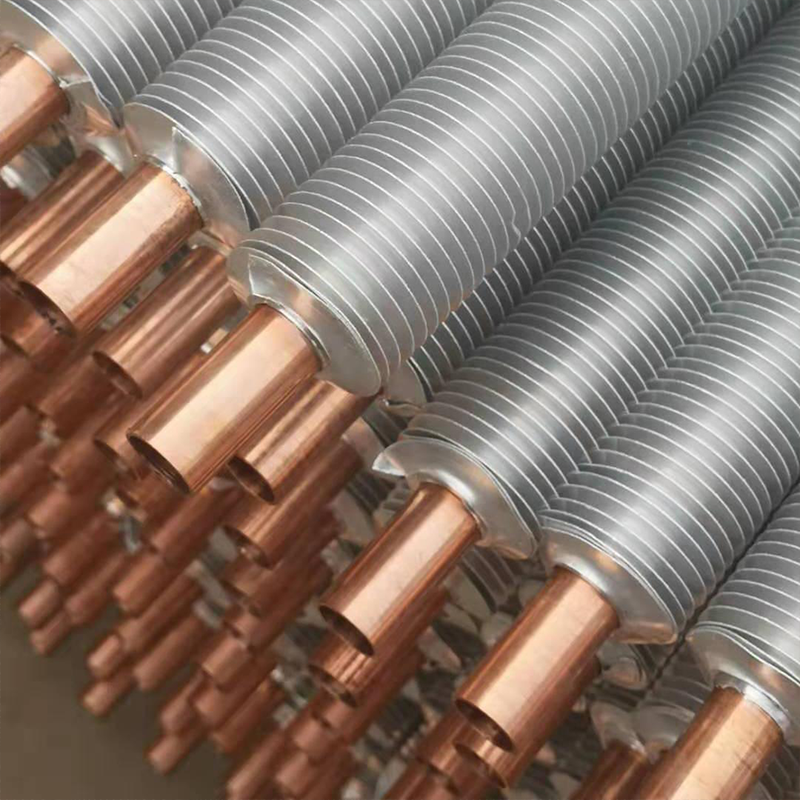
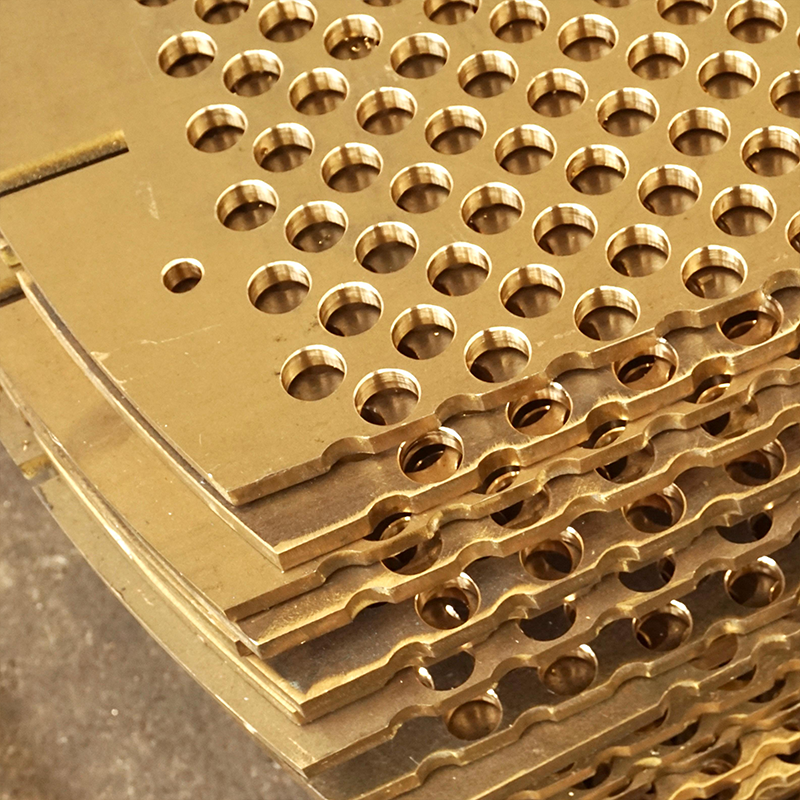
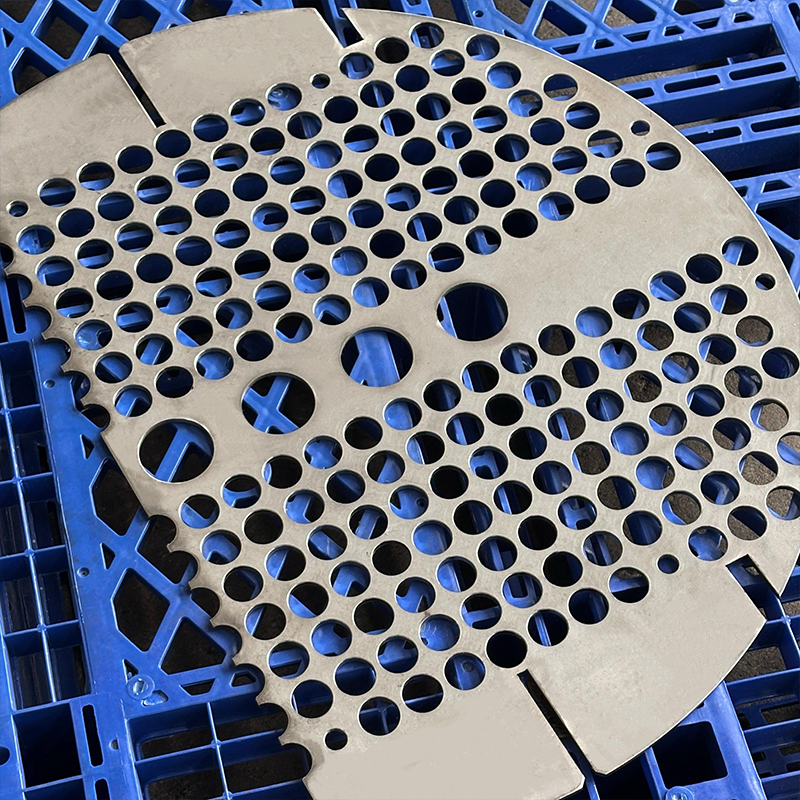
Here we cannot fail to mention the importance of the quality of the heat exchange equipment itself, which is the heart of the cooling system. For example, a companyWuxi Kaisheng Electric Power and Petrochemical Equipment Co., Ltd.specializes in the development and production of highly efficient heat exchangers critical to the stability of extrusion processes. Their products, including titanium shell-and-tube heat exchangers and corrugated tube bundles in 316 stainless steel or C46400 marine brass, provide the necessary corrosion resistance and thermal efficiency even in harsh petrochemical and desalination environments. When the digital twin signals the slightest change in heat transfer, having reliable ASME and PED certified equipment can quickly isolate the problem, whether it's fouled N06625 alloy tubing or a change in flow resistance. The synergy of advanced analytics and quality hardware, such as air coolers or waste heat boilers from leading manufacturers, creates the foundation for truly trouble-free line operation.
Another area is monitoring the condition of filter bags (grids). The pressure difference before and after the mesh package is a classic parameter, but it nonlinearly depends on the viscosity of the melt, which changes with temperature and grade of raw material. Conventional alarms either go off too late or give false alarms when the recipe is changed. The trained model knows the physics of the process: it understands that the increase in pressure at the current temperature and screw speed is normal for a given batch of granules, or whether it is a real blockage. This reduces the number of false line stops by 40-50%, which directly affects the overall equipment efficiency factor (OEE).
However, there is a nuance that software vendors rarely talk about. The model requires a “learning” period. During the first 2-4 weeks after launch, the system collects data and does not make forecasts, but only records deviations. During this period, staff may become frustrated and consider the system to be useless. It is important to explain to the team upfront that this is an investment of time. We encountered resistance from shift supervisors who turned off the sensors because “the computer interferes with work.” The solution lies in change management: show with real numbers how the system saved a batch of raw materials or prevented an accident.
Optimization of recipes and reduction of raw material consumption
Polypropylene is a material with a wide variability of properties depending on molecular weight and the presence of additives. The digital twin allows you to virtually test new recipes without the risk of spoiling real products. Process engineers can load the parameters of the new PP grade (MFI, density, melting point) into the model and see the predicted behavior of the melt in the screw channel. This is especially true when switching to secondary raw materials, the properties of which may vary from batch to batch.
Material savings are achieved by minimizing start-up waste. When starting a line after changing color or assortment, usually 50 to 200 kg of polymer is wasted until the parameters stabilize. The optimization algorithm calculates the ideal trajectory of changes in temperature zones and drawing speed even before the first kilogram of granules enters the hopper. On one of the BOPP packaging tape production lines, we were able to reduce the transition time from 45 minutes to 18 minutes. With a productivity of 600 kg/h, this is a saving of almost 3 tons of raw materials per month only on transitions.
Controlling wall thickness is another source of hidden loss. Extruders often operate with a thickness reserve to ensure they pass quality control inspection. For example, a 2.0mm nominal pipe is produced with an average thickness of 2.15mm due to eccentricity concerns. The digital twin, in conjunction with ultrasonic thickness sensors, adjusts the position of the forming head in real time (auto-centering), allowing the average thickness to be reduced to 2.05 mm without the risk of defects. For large-scale pipe production, this results in polypropylene savings of 3-5%, which is huge amounts at raw material prices in 2026.
It is important to note that optimization should not come at the expense of strength. The model must take into account not only geometric parameters, but also predict the mechanical properties of the finished product based on the thermo-mechanical history of the melt. If the cooling rate is too high due to an attempt to increase capacity, the crystallinity of the polypropylene will change and the pipe will become brittle. Our system includes a block for checking compliance with GOST or ISO standards, blocking modes that could lead to products falling outside the specification.
Comparison of solutions: ready-made platforms versus custom development
The production manager always faces a dilemma: buy a boxed solution from a global vendor or order custom development from a local integrator. Both paths have their pitfalls, and the choice depends on the scale of the equipment fleet and the qualifications of the IT department.
| Comparison criterion | Ready platforms (Siemens, Schneider, PTC) | Custom development (Python/C++ solutions) |
|---|---|---|
| Implementation cost | High. Licenses are sold in modules, often requiring payment for each connected device. The initial entry threshold is from €50,000. | Average. Payment is based on man-hours of development. You can start with a small module for €10,000 and scale up. |
| Flexibility of customization | Low. You are limited to the functionality provided by the vendor. Changing the logic of algorithms is difficult or impossible without the participation of support. | Maximum. The code is written to suit your specific needs. You can take into account the unique features of old Soviet extruders or non-standard sensors. |
| Launch date | Fast (1-3 months) if the equipment is compatible. Long (6+ months) if deep integration with legacy controllers is required. | Long (4-8 months) for initial development and debugging. It takes time to collect data and train models. |
| Vendor dependency | High. Linked to the ecosystem, annual payments for support, risk of termination of service in the region. | Low. The source code belongs to you. Support can be provided by any qualified team. |
| Personnel requirements | Requires training to use the specific interface. Vendor certifications are often required. | You need your own Data Science specialists or a reliable outsourced integrator partner. |
For enterprises with a fleet of heterogeneous equipment (for example, a mixture of new Chinese lines and old European machines from the 90s), custom development is often more profitable. Ready-made platforms do not work well with equipment that does not have open communication protocols. We have successfully implemented projects where we collected data directly from the analog outputs of controllers through additional ADC modules, which standard drivers from large vendors do not allow.
On the other hand, if you have a modern plant that is fully stocked with equipment from one brand (for example, all SML or Battenfeld-Cincinnati lines), then using their native digital twin ecosystem will yield quick results. Equipment manufacturers have already included physical models of their machines in the software, which speeds up the initial setup. But be prepared to pay a premium for this convenience.
Real implementation cases: numbers and facts
To get away from abstractions, let's look at two real examples from our practice that demonstrate different approaches to solving problems.
Case 1: Production of large-diameter polypropylene pipes.
Problem: High percentage of pipe ovality defects (up to 8%) when starting the line after the weekend. The reason was uneven heating of the calibrators and slow vacuum stabilization.
Solution: A digital twin of the calibration section has been implemented. The system began warming up the calibrators according to the optimal algorithm 40 minutes before starting the extruder, taking into account the air temperature in the workshop. Predictive control of vacuum pumps was also implemented.
Result: Defects at startup decreased from 8% to 1.5%. Raw material savings amounted to 12 tons per month. The payback period of the project is 5 months. An additional effect is an increase in the service life of vacuum pumps by 30% due to the elimination of operation in inefficient modes.
Case 2: Recycled polypropylene granulation line.
Problem: Instability of granule size and frequent breaks of strands in the cooling bath. The raw materials were heterogeneous (a mixture of different brands), which confused the extruder settings.
Solution: An adaptive model was developed that analyzed the pelletizer motor current and visual data from a camera above the conveyor in real time. When detecting a tendency for granules to stick together, the system automatically adjusted the water supply speed and blade speed.
Result: Line productivity increased by 18% due to the ability to operate at maximum speeds without fear of an emergency stop. The number of changeovers has been halved. Operators received a tool for objective assessment of the quality of incoming secondary raw materials.
These examples show that there is no universal recipe. In the first case, thermodynamics was the key, in the second, computer vision and adaptive control. The main thing is to accurately diagnose the bottleneck before starting digitalization.
Frequently Asked Questions
How long does it take to implement a digital twin on one line?
On average, the process takes from 3 to 6 months. The first month is spent auditing equipment, installing additional sensors and setting up data collection gateways. The second and third months are the period of data accumulation and initial training of the model (“cold start”). At this time, the system operates in surveillance mode. From the fourth month, active tests of predictive functions and integration with the production management system begin. The time frame may increase if it is necessary to modernize an old electrical cabinet or replace controllers that do not support modern communication protocols.
Do I need to stop production to install the system?
No, in 90% of cases, installation of data collection equipment is carried out without stopping the line. Most modern sensors (vibration, temperature, current) are installed using the overhead method or are embedded in existing circuits in parallel. Connection gateways are powered from a standard 24V network. The only exception is if it is necessary to replace the actuators themselves or install internal pressure sensors in hydraulic units where pressure needs to be relieved. We schedule such work for scheduled weekends or technological breaks.
What are the requirements for personnel qualifications to work with the system?
Line operators are not required to have programming or data analysis knowledge. The digital twin interface is built on the “traffic light” principle: green - everything is fine, yellow - attention, risk is possible, red - immediate action. The training takes 2-3 days and focuses on interpreting the system's recommendations. However, to support the system on the enterprise side, you need at least one engineer (often a chief mechanic or power engineer) who has completed an in-depth course in platform administration to solve basic communication problems and update configurations.
Is it safe to transfer production data to the cloud?
Data security is priority #1. We use a perimeter-protected architecture. Data from the line first goes to the local server (Edge), where it is cleaned and aggregated. Only anonymized metadata necessary for the operation of AI algorithms is transferred to the cloud. Direct access from the Internet to line controllers is physically impossible - a one-way communication channel is used. In addition, end-to-end encryption using the TLS 1.3 standard is used. For highly sensitive productions, it is possible to implement a completely local version (On-Premise), when the data does not leave the plant territory at all.
Can a digital twin be used to train new employees?
Yes, this is one of the most promising areas. The simulation mode allows beginners to practice actions in emergency situations without the risk of damaging expensive equipment or ruining a ton of raw materials. The model reproduces the physics of the process with high accuracy: if a trainee sets the temperature or speed incorrectly, he will see a virtual defect and the consequences for the mechanism. This reduces onboarding time from 3-4 months to 3-4 weeks and develops the correct skills to respond to emergency situations.
Conclusion and next steps
The implementation of digital twins of PP production lines has ceased to be a matter of prestige and has become a necessity for survival in a competitive environment. Technologies of 2026 allow you to recoup investments through direct savings in raw materials, energy and reduced downtime. However, success does not depend on the name of the software, but on the quality of the initial data and the team’s willingness to change the usual processes. Don’t try to digitize chaos: first bring order to regulations and equipment maintenance, then add a layer of intelligent analytics.
If you want to assess the potential of implementing such a system in your enterprise, start with an audit of your current automation. Check what data you are already collecting and with what frequency. It often turns out that half of the required sensors are already installed, but are not used properly. We are ready to conduct an express analysis of your line and calculate projected savings.
Contact us todayto discuss the details of your project and receive advice from our engineers on the digitalization of extrusion production. Don't put off upgrading until tomorrow - every day of work without optimization costs you money.