
Drawings of typical PP galvanic baths”
2026-08-24
- Where to find current drawings of typical PP plating baths and why this is critical for the project
- Design features and calculation of loads for polypropylene containers
- Typical components and elements: from welds to overflow systems
- Comparative Material Analysis: PP vs PVC, PVDF and Lined Steel
- Regulatory framework and design standards in the Russian Federation and the EAEU
- Practical recommendations for installation and commissioning
- Competence in the field of special equipment and materials
- Frequently Asked Questions
- Conclusion and next steps
Where to find current drawings of typical PP plating baths and why this is critical for the project
Design engineer receiving a request fordrawings of typical PP galvanic baths, often faces a dilemma: use outdated Soviet albums or adapt Western standards to Russian realities. In our practice of working with chemical production, we have found that 80% of emergency situations in electroplating shops are not related to the quality of the polypropylene itself, but to errors in calculating the wall thickness and reinforcement scheme at the design stage. Polypropylene (PP) has excellent chemical resistance, but its modulus of elasticity is 15 times lower than steel, requiring a fundamentally different approach to housing design. If you are looking for complete solutions for pickling, chrome plating or anodizing lines, this article will be your technical guide. We will analyze real cases where ignoring thermal expansion led to broken welds, and show how to read specifications correctly.
Our company has repeatedly encountered a situation where a customer provided a drawing of a bathtub with a volume of 5 cubic meters, copied from a book from 1985, where the walls were designed to be 10 mm thick. When pouring electrolyte at a temperature of 65°C, this design “floated” after only a week of operation, deforming the heaters and violating the geometry of the suspensions. This cost the customer a 14-day line shutdown and the cost of a complete tank replacement. That is why we insist: moderndrawings of typical PP galvanic bathsshould be based on calculations of material creep at specific operating temperatures, and not on empirical data from the last century. Below we provide an algorithm for checking any drawing before sending it to production.
Design features and calculation of loads for polypropylene containers
Developing correct design documentation begins with understanding the physics of thermoplastic behavior. Unlike metal, polypropylene is subject to significant linear expansion. The coefficient of thermal expansion of PP is approximately 0.15 mm/m°C. This means that a 3 meter long bath when heated from 20°C to 70°C will lengthen by 22.5 mm. If expansion joints or floating supports are not included in the design, the resulting stresses will exceed the yield strength of the material, resulting in permanent deformation. Our engineers always include in the design a safety margin of at least 2.5 for static loads and 4.0 for dynamic influences, such as moving parts on rods.
Wall thickness is the first parameter that safety auditors check. For baths with a volume of up to 1 m³, the minimum sheet thickness is usually 10-12 mm, however, for large tanks (more than 5 m³), the use of a monolithic sheet becomes economically impractical and technically risky. The technology of sandwich panels or stiffeners is used here. In our projects we often use a combination method: an internal lining of 5-8 mm thick PP-H homopolymer (provides chemical protection) and a supporting frame made of PP-B copolymer or glass fiber reinforced polypropylene (PP-GF). This approach allows the weight of the structure to be reduced by 30% while maintaining the same mechanical strength. The mistake of many beginners is trying to weld a thick-walled pool from one material without taking into account shrinkage when the weld is cooled, which creates zones of internal stress.
Particular attention should be paid to the bottom of the bath. Hydrostatic pressure increases linearly with depth. For a bathtub 1.5 meters deep, the pressure at the bottom will be about 0.015 MPa. It would seem not much, but for plastic this is a significant load that causes deflection (“trampoline effect”). To avoid this, standard drawings necessarily provide for a system of longitudinal and transverse joists. The distance between the logs should not exceed 300-400 mm for sheets up to 15 mm thick. We have seen cases where they saved on the number of joists by increasing the pitch to 600 mm. The result is predictable: after six months the bottom sagged, water accumulated in the center, and when drained, the remaining acid corroded the concrete foundation under the installation. The correct drawing always includes a diagram of the location of supports with reference to the points of maximum load.
When designing, the type of polypropylene must also be taken into account. For electroplating processes, PP-H (homopolymer) is most often used, which can withstand temperatures up to 100°C and has high hardness. However, it is more fragile at low temperatures. If the bath will be installed in an unheated area in winter, we recommend using PP-B block copolymer, which maintains impact strength down to -20°C, although its maximum operating temperature is limited to 80-90°C. The choice of material must be clearly stated in the drawing specification. Ignoring this nuance leads to the fact that the bathtub cracks at the first mechanical impact with a rod in a cold workshop. Always check the grade of material with the technological regulations of your process.
Typical components and elements: from welds to overflow systems
The detailing of the nodes is what distinguishes a professional project from an amateur sketch. Let's look at the key elements that should be reflected in any set of documentation fordrawings of typical PP galvanic baths. First comes the design of the welded joint. For sheets thicker than 8 mm, X-shaped cutting of edges with an opening angle of 60 degrees is used. Welding is carried out with an extruder with a filler rod of the same brand as the main sheet. Important: the welding speed must be strictly regulated. Feeding the rod too quickly leads to lack of penetration of the root of the seam, too slow - to overheating and weakening the structure of the polymer. On the drawings we indicate the requirement to carry out visual inspection of every centimeter of the seam and selective bending testing of witness samples.
The second critical unit is the solution overflow and collection system. In electroplating, it is important to maintain the electrolyte level with an accuracy of ±10 mm. A typical solution is to use a double side (pocket) around the perimeter of the bathtub. The outer wall of the pocket is made removable or with hatches for inspection. A drain pipe with a diameter of at least 50 mm is provided at the bottom of the pocket to remove foam and dirt. An error that we often correct: the bottom of the pocket does not slope towards the drain hole. Without a slope of 2-3 degrees, the solution stagnates, crystallizes and clogs the system. In our drawings, we always detail the pocket geometry, including the rounding radii of the internal corners (minimum 20 mm), to avoid stress concentration at the junction of the bottom and the side.
The third element is communication entry points. Branch pipes for connecting heating elements, level sensors, recirculation pumps and supply/drain pipelines must be integrated into the housing using the inlet fitting method or through flange connections. Simply drilling a hole and inserting a pipe is not acceptable. We use special embedded parts made of the same PP, which are welded to the body on both sides. For pipes with a diameter of more than 63 mm, reinforcing rings (necks) with a thickness of 1.5 times the thickness of the bathtub wall must be provided. This prevents the pipe from breaking out under the weight of the connected fittings. In one project, the client insisted on installing a heavy titanium heat exchanger directly onto a plastic pipe without additional support. Three months later, the pipe broke off, and 2 tons of hot chromium pipe spilled onto the workshop floor. The lesson was learned at a cost: all loads from attachments should be transferred to the independent metal frame, and not to the walls of the bathtub.
The fourth aspect is thermal insulation. Although polypropylene itself is a thermal insulator (thermal conductivity coefficient of about 0.22 W/m K), for processes that require maintaining a temperature of 60-80°C during the day, this is not enough. Heat loss through the open surface and walls can reach 30-40% of energy. Modern designs include a 50mm thick layer of outer insulation made of polyethylene foam or mineral wool, covered by a casing of PP or stainless steel sheet. It is important to provide a ventilation gap between the bathtub wall and the insulation to avoid condensation buildup that could cause corrosion of the metal support frame. We recommend using a locking system for fastening the insulation, which allows you to quickly remove it to repair the body without destroying the insulation.
Comparative Material Analysis: PP vs PVC, PVDF and Lined Steel
The choice of material for a plating bath is always a compromise between cost, chemical resistance and mechanical strength. To help you make an informed decision, we have prepared a comparison table of the main materials used in the industry. The data is based on our experience operating more than 500 pieces of equipment in various aggressive environments.
| Parameter | Polypropylene (PP-H/PP-B) | Polyvinyl chloride (PVC / Viniplast) | Polyvinylidene fluoride (PVDF) | Lined steel |
|---|---|---|---|---|
| Max. working temp. | up to 100°C (short-term up to 110°C) | up to 60°C (deforms above) | up to 140°C | Depends on the lining (usually up to 80-90°C) |
| Chem. durability | Excellent resistance to acids and alkalis, not resistant to strong oxidizing agents (concentrated nitric acid) | Good to acids, limited to alkalis and organic solvents | Excellent, including strong oxidizing agents and halogens | Risk of lining explosion if damaged |
| Fur. strength | High impact strength, flexibility | Tough but brittle to impacts and low temperatures | Very high strength and rigidity | Highest, but heavy weight |
| Weldability | Excellent, repair possible in the field | Requires special equipment and skills, more difficult to repair | Requires high temperature welding, difficult | Lining repair is complicated and often requires dismantling |
| Cost | Average (optimal price/quality ratio) | Low (but shorter service life) | High (3-5 times more expensive than PP) | High (metal + lining work) |
| Structure weight | Lightweight (density ~0.9 g/cm³) | Medium (density ~1.4 g/cm³) | Medium (density ~1.78 g/cm³) | Very heavy |
From the table it is clear thatdrawings of typical PP galvanic bathsare the most versatile solution for 90% of electroplating applications. PVC is cheaper, but its temperature limit of 60°C makes it unsuitable for hot degreasing or nickel plating processes, where temperatures reach 70-80°C. An attempt to use PVC in such conditions will lead to softening of the walls and loss of bathtub geometry already in the first year of operation. PVDF is a premium material, indispensable for working with hydrofluoric acid or concentrated oxidizing agents, but its use for conventional sulfuric acid or alkaline baths is not economically justified. Steel baths with rubber or plastic lining are good for very large volumes (more than 20 m³), where plastic cannot cope with the loads, but they require complex maintenance and monitoring of the integrity of the coating.
We recommend using polypropylene as the main material for decorative chrome plating, galvanizing, copper plating and aluminum anodizing lines. The only exception is processes using concentrated nitric acid or a chromium mixture with a high content of oxidizing agents at high temperatures. In such cases, we switch to PVDF or composite materials. It is important to remember that the cost of ownership (TCO) of a PP bathtub is significantly lower due to the absence of the need for anti-corrosion painting of the external frame and the ease of local repairs. If a crack appears in the wall, it can be soldered in 30 minutes without stopping the entire line, which cannot be said about lined metal containers.
Regulatory framework and design standards in the Russian Federation and the EAEU
When developing working documentation, it is necessary to be guided by current state standards. Although there is no single GOST specifically for “polypropylene galvanic baths,” the project must comply with a number of interrelated standards. The main document isGOST 23637-79 “Galvanic baths. Technical specifications". Despite the fact that the standard was developed in the era of dominance of steel and lined baths, its requirements for dimensions, straightness tolerances and leak testing methods remain relevant and are applied to polymer products by analogy.
To calculate strength and select materials, engineers rely onGOST R 52706-2007 “Thermoplastic pressure pipes. Methods for determining internal pressure resistance"and reference data on the physical and mechanical properties of polypropylene (GOST 26996-86). Particular attention is paid to fire safety. Polypropylene belongs to the G4 flammability group (highly flammable materials), therefore the design must necessarily include measures to protect against the spread of fire. This could be the installation of automatic fire extinguishing systems over the baths or the use of low-flammable PP modifications with flame retardant additives, if this is allowed by the technological process (some additives may reduce chemical resistance).
Also, environmental safety requirements cannot be ignored. According toSanPiN 2.1.6.1234-03, electroplating enterprises must have emergency spill containment systems. The design of the bath must provide the possibility of quick emergency drainage into the neutralization tank. In our drawings we always include an electrically actuated emergency shut-off valve assembly controlled by an overfill sensor or fire alarm. Ignoring these requirements can lead to serious fines from Rosprirodnadzor and suspension of the enterprise's activities. In addition, when exporting equipment to the EAEU countries, it is necessary to have a certificate of compliance with the Technical Regulations of the Customs Union (TR CU 010/2011 “On the safety of machinery and equipment”).
Another important aspect is ergonomics and occupational safety. The height of the sides of the bath should be such that the operator can safely work with parts without bending too low. The standard height of the working edge above the floor level is 850-900 mm. If the bath is deep, working platforms and ladders made of dielectric materials are provided. All metal elements of the frame must be grounded in accordance with the PUE (Electrical Installation Rules), even if the bath itself is plastic, since there is a conductive electrolyte inside. We often see violations when only rectifiers are grounded, forgetting about the bathtubs and busbars themselves, which creates the risk of electric shock if the insulation breaks down.
Practical recommendations for installation and commissioning
Even perfectly executeddrawings of typical PP galvanic bathsdo not guarantee successful operation if installation is carried out incorrectly. The first stage is preparing the base. The floor in the galvanizing shop must be level (difference of no more than 2 mm per 2 meters in length) and have a chemical-resistant coating (ceramic granite, acid-resistant tiles or polymer self-leveling floor). Installing the bathtub directly on a concrete floor is prohibited. There must be a gap of at least 100 mm between the bottom of the bath and the floor for air circulation and the possibility of inspection for leaks. We recommend using adjustable supports made of polypropylene or stainless steel, which allow you to set the bath strictly at level.
The second stage is strapping. All pipelines approaching the bath must have compensators (U-shaped or bellows) so that vibration from the pumps is not transmitted to the bath body. A rigid “pipe-tub” connection will sooner or later lead to fatigue failure of the pipe weld. When connecting heaters, make sure that their power is distributed evenly throughout the volume. Local overheating at the surface of the heating element can cause thermal degradation of polypropylene even at normal overall solution temperature. The distance from the heating element to the bathtub wall must be at least 150 mm. In our practice, there was a case when the heater was installed close to the corner of the bathtub. After two years, the corner turned yellow, became brittle and cracked during routine washing.
The third stage is hydraulic testing. Before starting the chemicals, the bath must be filled with water for 24 hours. This is necessary not only to check the tightness of the seams, but also to relieve residual stresses in the material (“rest” of the structure). During the test, carefully inspect all corners and insertion points of the pipes. Even a small drop indicates a welding defect. Do not try to “top up” glue or sealant from the outside - this is a temporary measure that will not withstand an aggressive environment. The defective area must be cut out and digested in compliance with the technology. Also check the operation of overflow systems: pour water above the operating level and make sure that it goes into the sewer or collection container without delay.
The fourth stage is commissioning. Filling with electrolyte should be done smoothly, avoiding water hammer. The temperature of the solution when first filling should not exceed 40°C, then it is raised to operating temperature gradually, at a speed of no more than 5°C per hour. This will allow the material to expand evenly and adapt to thermal loads. Sudden heating of a cold bathtub with hot liquid is a sure way to cause cracks. After returning to mode, re-inspect the connections. Polypropylene tends to “creep” under constant load, so bolted flange connections may require tightening after a week of operation. Keep a log of observations of the condition of the bathtub during the first months of operation.
Competence in the field of special equipment and materials
Although the focus of this article is on polypropylene baths, complex equipment for electroplating and chemical production often requires the integration of different types of equipment. For example, maintaining the temperature in baths is impossible without reliable heat exchangers, and working with aggressive media dictates high demands on the materials of all components of the system.
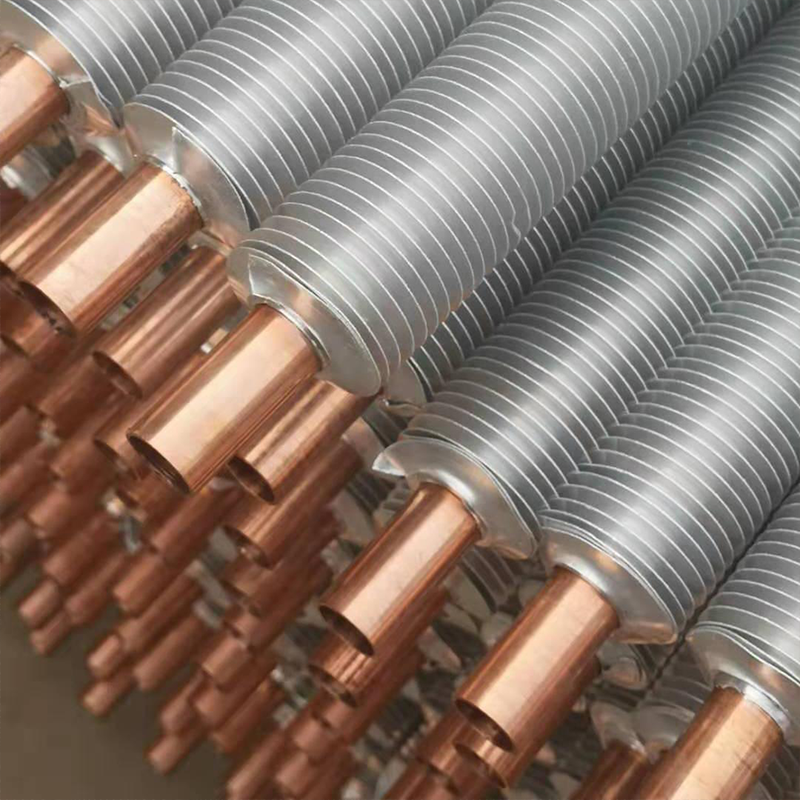
In this context, it is worth mentioning the company's experienceWuxi Kaisheng Electric Power and Petrochemical Equipment Co.,Ltd", which specializes in the development and production of high-quality heat transfer and process equipment. Their expertise in creating titanium shell-and-tube heat exchangers, ASME high-pressure vessels and corrugated tube bundles made from specialty alloys (316 stainless steel, C46400 marine brass, copper-nickel alloys, N06625 nickel) directly intersects with the needs of the electroplating industry. Certified to stringent international PED and ASME standards, the company's products demonstrate exceptional corrosion resistance and heat transfer efficiency, which is critical when working with hot electrolytes and aggressive reagents.
The use of components made from materials such as titanium, special steels and copper alloys in heating, cooling and solution handling systems complements the reliability of polypropylene containers. Whether it's waste heat boilers, air coolers or complex tube sheets, customized engineering and quality control at all stages of production enable sustainable systems for the oil refining, chemicals, water desalination and shipbuilding industries. The synergy between the correct design of plastic baths and the use of professional metal heat exchange equipment ensures maximum energy efficiency and durability of the entire production cycle.
Frequently Asked Questions
What is the maximum length of an all-welded polypropylene bathtub?
It is technologically possible to produce a bathtub of any length by assembling it from several sections at the installation site. However, for transportation of a finished product (monoblock), there are restrictions on the dimensions of freight transport. The standard length of the truck body is 13.6 meters, but taking into account loading and fastening, the maximum length of a solid bathtub is usually limited to 11-12 meters. If your project requires a bath 15 meters long, we break it into two modules, which are joined on site using a special weld with reinforcement. This seam is not inferior in strength to the base material. It is important to take into account that long bathtubs require more frequent placement of support beams (steps of 250-300 mm) to prevent sagging under their own weight and the weight of the solution.
Is it possible to repair cracks in a polypropylene bathtub yourself?
Yes, one of the main advantages of PP is maintainability. To repair a crack up to 50mm long, you will need a plastic welding extruder (or a heat gun with a nozzle), a filler rod made of the same type of polypropylene (PP-H or PP-B) and welding skills. The damaged area is cleaned with a V-shaped groove, heated and filled with molten rod. However, if the crack is in a high-stress area (corner, near the pipe) or is longer than 100 mm, we strongly recommend calling in specialists. Improper repairs can lead to crack growth and a major accident. In addition, after repair it is advisable to carry out a local pressure test. Remember: personnel safety is more important than saving on a service call.
What wall thickness should I choose for a 2 cubic meter bath with sulfuric acid solution?
For a volume of 2 m³ (approximate dimensions 2000x1000x1000 mm) and operating temperature up to 60°C, the optimal wall thickness is 12-15 mm. The bottom should be made of a sheet 15-20 mm thick with obligatory reinforcement with logs. Sulfuric acid does not have a strong chemical effect on PP at these concentrations and temperatures, so the choice of thickness is dictated solely by mechanical stress. If the solution temperature exceeds 70°C, the thickness should be increased by 20-30% or stiffeners should be used more often. Using an 8 mm thick sheet for such a volume is risky and is only acceptable for short-term processes or water storage, but not for continuous use with heavy parts and hot electrolyte.
Is polypropylene compatible with hydrofluoric acid (HF)?
Yes, polypropylene has excellent resistance to hydrofluoric acid of any concentration at temperatures up to 60-70°C. This makes it one of the best pickling bath materials in the glass and aluminum industries. However, there is a caveat: at temperatures above 80°C, the resistance decreases and the material may swell. For processes with hot hydrofluoric acid (>80°C), PVDF may be a better choice. It is also important to make sure that the solution contains no impurities of strong oxidizing agents that can catalyze the destruction of the polymer. In our HF projects, we always use PP-H with increased purity to eliminate the migration of impurities into the solution, which is critical to the quality of the etching.
Do I need to ground a plastic bathtub?
The polypropylene body itself is dielectric and does not require grounding. However, all metal elements associated with the bath (support frame, suspension bars, heaters, pipelines with metal fittings) must be combined into a potential equalization system and grounded. Inside the bath there is an electrolyte that conducts current. If the heater insulation breaks down or the bus bar contacts a metal frame element, dangerous voltage will appear on it. Grounding will ensure that the circuit breaker trips and will save the operator’s life. In the drawings, we always indicate the point of connection of the grounding conductor (PE) to a metal frame with a cross-section of at least 10 mm² for copper.
Conclusion and next steps
Electroplating plant design is a task that requires a balance between chemistry, physics and economics. Properly Designeddrawings of typical PP galvanic bathsbecome the foundation for the reliability of the entire workshop for decades to come. We saw that polypropylene offers a unique combination of chemical inertness, lightness and repairability, making it a market leader for most applications. However, success depends on the details: calculation of thermal expansion, quality of welds and compliance with installation standards. Mistakes on paper result in millions of rubles in metal losses and downtime.
Don't risk your production by using dubious sketches from the Internet. Each project is unique: your solutions, your temperatures, your room dimensions require an individual engineering approach. Our team is ready to develop a full set of working documentation, including 3D models, material specifications and installation instructions, adapted to your conditions. We accompany the project from idea to launch and guarantee compliance with all current safety standards.
If you are planning to modernize a line or launch a new section, contact our engineers for advice. We will audit your requirements and offer the optimal technical solution.Contact us todayto discuss the details of your project and receive a preliminary cost estimate. We also recommend that you familiarize yourself with our catalog of completed projects in the sectionelectroplating equipment cases, where you will find photos and descriptions of real installations.