
Environmental audit of a PP production plant”
2026-08-27
Environmental audit of a PP production plant: why is it needed and how to avoid fines
An environmental audit of a PP plant is not just a bureaucratic formality, but a critical risk management tool that directly affects the operating profit and legal safety of the enterprise. In our practice, we have repeatedly encountered situations where the lack of timely inspection led to the suspension of extrusion lines for up to three weeks due to identified violations in the emission treatment system. For the polypropylene (PP) manufacturer, the challenge lies in working with volatile organic compounds (VOCs), microplastics and complex chemical catalysts that require a special approach to monitoring. If you run a PP granules or products business, ignoring the current state of environmental regulations could cost you your license. Below we will analyze a step-by-step algorithm of actions based on real cases of modernization of factories in Russia and the CIS.
Why standard checks often don't work for polymer production
Traditional environmental monitoring methods developed for metallurgy or light industry are often ineffective when auditing polypropylene processing plants. The main problem lies in the variability of the composition of emissions: depending on the brand of raw materials (homopolymer, copolymer, random copolymer) and the additives used (flame retardants, stabilizers), the spectrum of emitted substances changes hourly. One of our clients, a packaging tape production plant, was faced with the fact that a routine inspection by Rosprirodnadzor revealed that the maximum permissible concentration for phenol was exceeded, although the technological process did not involve its use. A further independent audit showed that the source of contamination was not in the main extrusion, but in the recycling system for defective products, where thermal decomposition of dyes occurred when secondary raw materials were overheated. This case demonstrates that a superficial examination of documentation without instrumental analysis of the gas-air mixture at sampling points is useless.
The second critical aspect is industrial waste management. PP production generates specific waste: dust from pneumatic conveying, edge trimmings, casting defects and used extruder filters. Often, enterprises mistakenly classify these wastes as inert, subject to disposal in conventional landfills, while the presence of residual monomers or oils can transfer them to a higher hazard class. In 2025, tightening requirements for the management of polymer waste led to the fact that three large plants in the Central Federal District received orders to reclaim landfills at their own expense. The audit should include not only a review of log books, but also physical sampling of waste for laboratory analysis for the content of toxic components. We recommend conducting such an analysis at least once a quarter, especially when changing the supplier of raw materials.
Finally, the human factor cannot be ignored. Even the most modern gas cleaning system (scrubbers, electrostatic precipitators, carbon filters) will be ineffective if operators are not trained in the rules of its operation. In one audit, we found that the efficiency of bag filters in the granulation area was only 60% instead of the claimed 99%. The reason turned out to be trivial: staff rarely regenerated filter elements for fear of stopping the line and losing output volume. This resulted in a build-up of static electricity and the risk of dust ignition. An environmental audit must necessarily include interviews with line personnel and a review of equipment maintenance logs. Without this stage, any reporting becomes fiction.
Stages of a comprehensive environmental audit of a PP production plant
The audit process requires a strict sequence of actions, the violation of which can lead to the receipt of unreliable data. We have developed a methodology that allows us to identify 95% of potential violations even before the visit of government inspectors. Below is a detailed analysis of each stage with an emphasis on the specifics of polypropylene production.
- Preliminary data collection and analysis of the technological scheme.
Before visiting the site, the auditor needs to obtain a complete technological map of production, including the balance of material flows. For a PP plant, this means understanding how many tons of raw materials are coming in, what percentage goes into finished products, and what percentage goes into waste and emissions. Particular attention should be paid to the compounding areas where additives are introduced, as this is where the most toxic emissions are often generated. At this stage we often discover discrepancies between the design data and the actual performance of the lines. For example, if a line is designed to handle 500 kg/hour but is actually running at 700 kg/hour, the ventilation systems may not be able to handle the load. Request passports for all installed equipment and location diagrams of emission sources. Without this base, further work becomes meaningless. - Instrumental monitoring of atmospheric air and emissions.
This is the most technically difficult stage, requiring certified gas analysis equipment. For PP production, the key pollutants are suspended solids (polymer dust), nitrogen oxides (from boiler rooms), as well as specific organic compounds formed during polymer degradation. Measurements should be carried out directly at the mouths of ventilation pipes and at the border of the sanitary protection zone (SPZ). It is important to remember that measurements “in quiet mode” do not give anything; it is necessary to record indicators at peak loads and during the start/stop of extruders. In our practice, there was a case when formaldehyde emissions exceeded the norm only in the first 15 minutes after the line was launched due to burnout of the lubricant in the screw. Use only accredited laboratories whose protocols are legally binding. The mistake of many is saving on the number of sampling points. - Audit of the waste and wastewater management system.
Polypropylene production facilities are generally classified as moderate water users, but water is used for pellet cooling and hydrotransport. It is necessary to check the tightness of the circulation cycles and the presence of treatment facilities. Even the smallest amount of polymer dust or oils entering storm drains can result in hefty fines. A separate check block concerns waste storage. Check the containers' compliance with the waste hazard class, the presence of markings and accumulation periods. A common mistake is storing oily rags and filters in common bins with pure polymer waste, which changes the hazard class of the entire batch. Make sure contracts with waste removal contractors are valid and licensed. Lack of primary waste documentation is the most common violation during inspections. - Checking permits and reporting.
The legal purity of an enterprise depends on the completeness of the package of documents. This includes an emissions permit (or impact declaration), a waste passport, and an AML (industrial environmental control) logbook. For PP plants, it is important to check actual emissions against those stated in the permit. It often happens that after upgrading a line or changing raw materials, actual emissions have changed, but the documents have not been updated. This is automatically considered a violation. Also check the deadlines for submitting reports to statistics and environmental agencies. Delay even by one day entails administrative liability. We recommend creating a single register of all environmental documents with their expiration dates. Chaos in documents always attracts the attention of inspection authorities. - Development of a corrective action plan.
The final stage of the audit is not just a list of problems, but a roadmap for solving them with a budget and time frame. Each identified violation must have a designated person responsible and a deadline. For example, if the MPC for dust is detected to be exceeded, the solution may be to install additional cyclones or replace the filter fabric, rather than simply “strengthen control.” The plan should include both short-term measures (seal repairs, staff training) and long-term investments (upgrading treatment facilities). It is important to evaluate the economic efficiency of the proposed measures: sometimes it is cheaper to pay for waste disposal at an increased rate than to build a new recycling facility. The document must be signed by the chief engineer and the director of labor protection. Without an approved plan, the audit remains only a theoretical study.
Specific risks for polypropylene producers and ways to minimize them
The production of polypropylene has a number of unique features that distinguish it from other plastic production. Firstly, it is a high processing temperature (up to 280°C), which creates a constant risk of thermal destruction of the material. When overheated, PP releases acrolein and other aldehydes, which are highly toxic and have a pungent odor. Complaints from local residents about the smell are the first signal of trouble in the aspiration system. To avoid this, it is necessary to install temperature sensors in risk areas and automatic systems for cutting off the supply of raw materials when threshold values are exceeded. Secondly, polypropylene dust is highly explosive. The concentration of dust in the air of the workshop should not exceed the established limits. Regular wet cleaning and the use of explosion-proof equipment are mandatory. Ignoring these requirements can lead not only to environmental fines, but also to man-made disasters.
Another hidden risk comes from using recycled materials. Many factories are switching to a tolling scheme or purchasing regranulate to reduce costs. However, the quality of such raw materials is often unstable. It may contain residues from labels, adhesives, food products or other polymers (PE, PET), which behave differently when processed than pure PP. This leads to unpredictable emissions and makes regulation difficult. Our advice: introduce input control of raw materials not only for mechanical properties, but also for chemical composition. Conduct test runs of small batches of new raw materials with mandatory emissions measurements before launching into the main line. This will save you money on fines and filter repairs.
Comparative Analysis of Emission Treatment Methods for PP Extrusion Lines
Choosing the right treatment system is a balance between capital costs and contaminant removal efficiency. There is no universal solution suitable for all types of production. Below is a comparison of the most common technologies used in the polypropylene processing industry.
| Cleaning method | Efficiency (%) | Capital costs | Operating expenses | Best use | Main disadvantages |
|---|---|---|---|---|---|
| Bag filters | 99.5 – 99.9 | Average | Low (sleeve replacement) | Collection of polymer dust, granulation | Resistant to moisture and high temperatures (>120°C without special fabric) |
| Cyclones | 70 – 85 | Low | Minimum | Pre-cleaning, large particles | Ineffective against fine dust and gases |
| Carbon adsorbers | 90 – 95 (according to VOC) | High | High (coal regeneration) | Removal of odors, volatile organic compounds | Requires frequent replacement of the sorbent at high concentrations |
| Thermal Oxidizers (RTO) | > 98 | Very tall | High (gas/electricity) | Large industries with persistently high emissions | Energy intensity, complexity of installation and maintenance |
| Wet scrubbers | 85 – 95 | Average | Medium (water, sludge disposal) | Cleaning from soluble gases and sticky aerosols | Formation of liquid waste, risk of equipment corrosion |
An analysis of the table shows that for most medium-sized PP production plants, the optimal combination is: a cyclone for coarse cleaning + a bag filter for fine dust cleaning + a carbon block for eliminating odors. Installing an expensive thermal oxidizer (RTO) is only worthwhile for industry giants with 24/7 continuous operation that emit tons of VOCs per day. For smaller shops, RTO will be a prohibitive financial burden due to fuel costs. It is also important to consider climatic conditions: wet scrubbers in winter require water heating and anti-icing, which increases operating costs. When choosing equipment, ask the supplier for a warranty on cleaning efficiency specifically for polypropylene dust, since it has a low bulk density and high electrification.
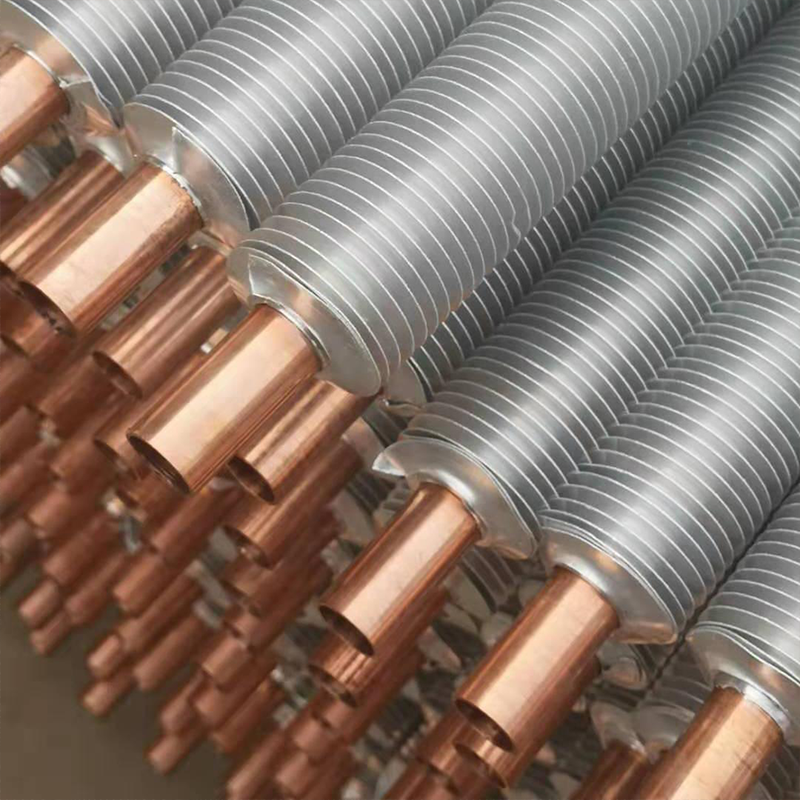
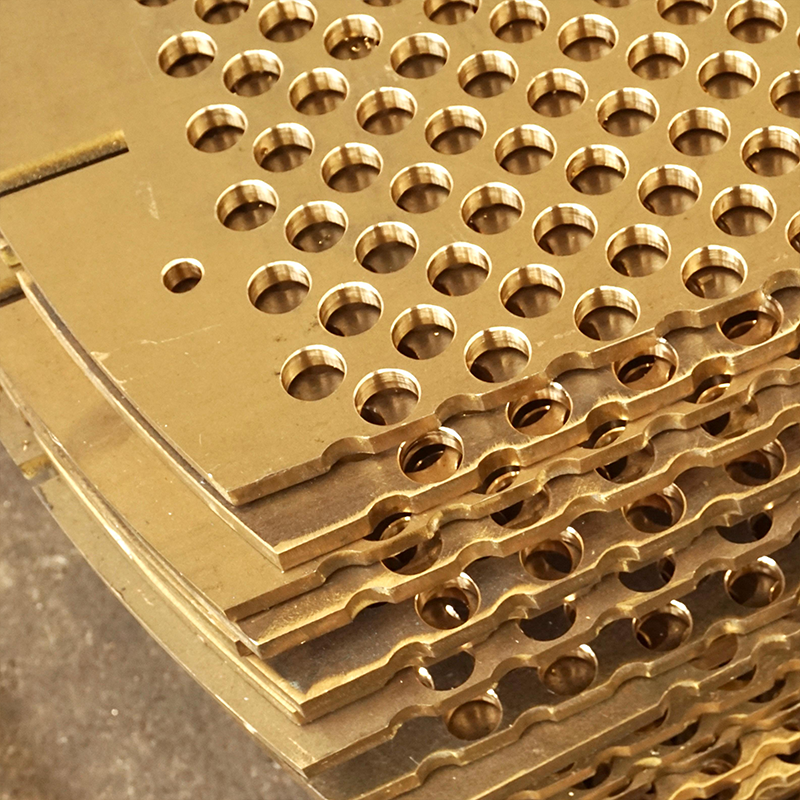
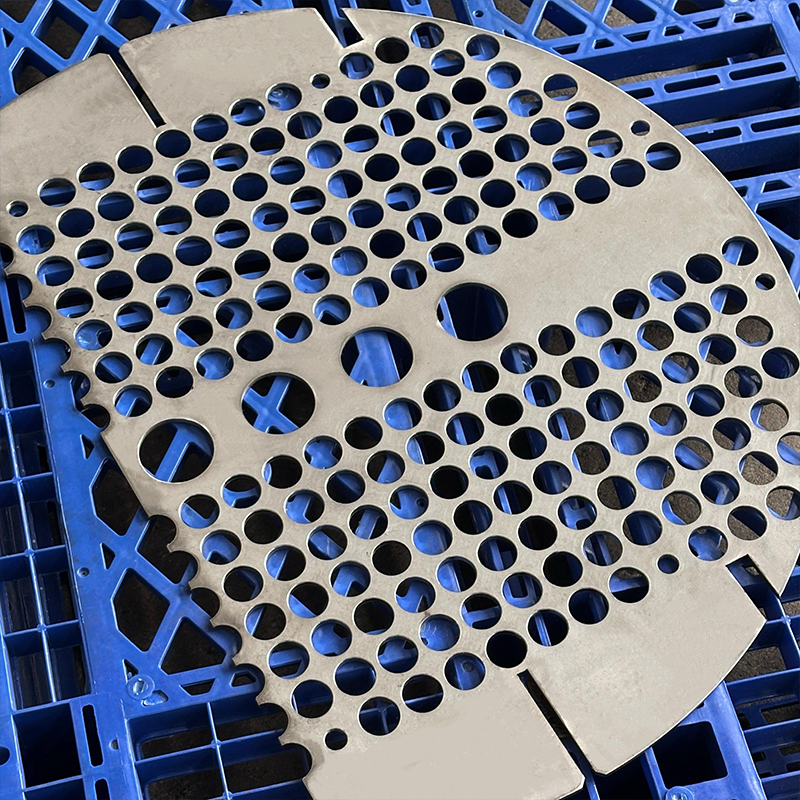
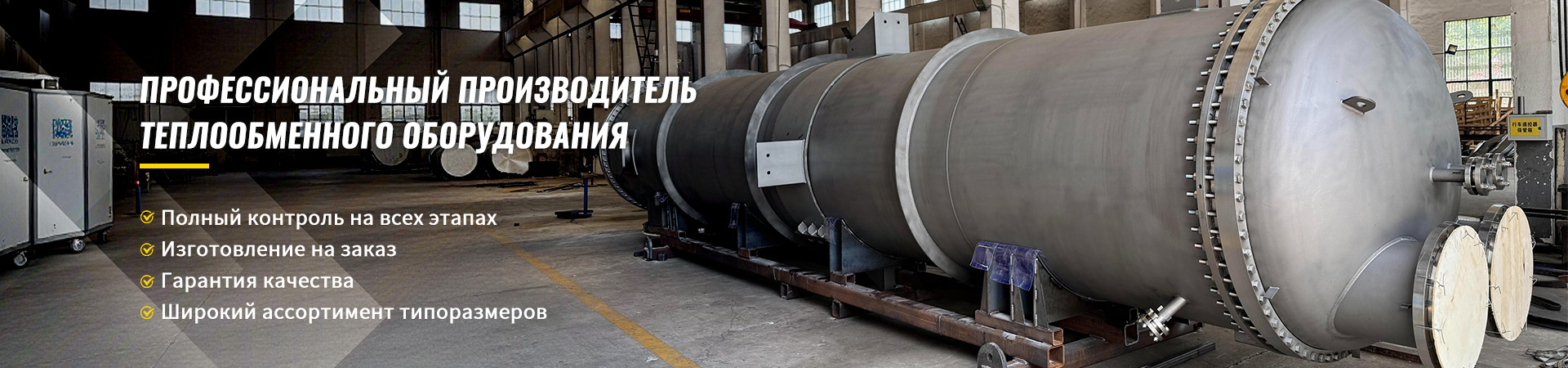
When upgrading purification and energy supply systems, special attention should be paid to the reliability of heat exchange equipment, which is often the heart of process lines. This is where specialized solutions come to the rescue, such as the company's productsWuxi Kaisheng Electric Power and Petrochemical Equipment Co., Ltd.. The company specializes in the development and production of highly efficient heat exchangers, critical for maintaining stable temperature conditions in polymer processing processes and heat recovery systems. Their portfolio includes titanium shell-and-tube heat exchangers, ASME high-pressure models, and corrugated tube bundles in 316 stainless steel, C46400 marine brass, and N06625 nickel alloys. These PED and ASME certified equipment offer exceptional corrosion resistance and the ability to withstand high pressures and temperatures, making them an ideal choice for refineries, petrochemical and chemical plants, including polypropylene plants. Using quality components, such as 321 steel or C70600 alloy tube sheets, minimizes the risk of shutdowns and leaks, ensuring long-term environmental and operational safety of the plant.
The role of automation in modern environmental control
Manual data collection for environmental reporting is becoming a thing of the past. Modern transparency requirements dictate the need to implement automatic emission monitoring (AEM) systems. For the PP plant, this means installing real-time pressure, temperature and dust concentration sensors with data transmitted to a central control panel. Such systems allow you to instantly respond to emergency situations: for example, if a filter breaks, the system will automatically stop the supply of raw materials and turn on emergency ventilation. In addition, digital journals eliminate the possibility of “additions” and human errors when filling out paper forms. Investments in automation pay off by preventing downtime and reducing the risk of fines. We are observing a trend where the presence of a CAM becomes a mitigating circumstance during inspections, demonstrating the integrity of the enterprise.
However, the introduction of automation has its pitfalls. Sensors require regular verification and calibration. A dirty sensor will produce false data, which can lead to an unreasonable stop in production or, conversely, to missing a dangerous situation. In one of the projects, we were faced with the fact that the dust sensor was installed in the “dead zone” of the air duct, where the air flow was minimal. As a result, the system showed the norm, while real emissions exceeded the limits three times. When designing a monitoring system, be sure to involve independent experts to select sensor installation points. Don't blindly trust the recommendations of equipment sellers whose goal is to sell a product, not to ensure your compliance.
Frequently Asked Questions
How often should industrial environmental control (IEC) be carried out?
The frequency of IEC is determined by the program developed for a specific enterprise, but general legal requirements require regularity at least once a year for the main sources of emissions. For PP production plants, which are often classified as negative impact category II facilities, instrumental measurements should be carried out at least once a year, and visual observations - quarterly. If during the previous audit violations were identified or equipment was modernized, unscheduled control is required immediately after the changes are introduced. Ignoring the PEC schedule is an independent offense, regardless of the presence or absence of real emissions above the norm. Make a schedule and strictly follow it.
What to do if an audit reveals that emissions standards are exceeded?
The first action is to immediately inform management and, if necessary, temporarily stop the source of pollution to prevent the situation from worsening. Next, you need to order extraordinary measurements in an accredited laboratory to confirm the results of the internal audit. If the exceedance is confirmed, an action plan to reduce emissions should be developed and implemented as soon as possible (usually 30 to 90 days depending on the severity of the violation). At the same time, an explanatory note is being prepared for regulatory authorities indicating the reasons (for example, wear and tear of equipment) and the time frame for elimination. Concealing the fact of exceeding or falsifying data is punishable many times more severely than the technical violation itself. Be transparent and document every step you take to correct the situation.
Does the use of recycled polypropylene affect the NVOS category of an object?
The use of recycled materials in itself does not change the category of the object of negative environmental impact (NEI), which is determined by the total volume of emissions and the presence of specific pollutants. However, recycling of recycled PP often results in higher emissions of volatiles and odors due to the heterogeneity of the raw material. This may result in actual emissions exceeding the declared values for virgin materials, requiring a recalculation of the category or a new permit. In addition, waste from recycling may have a higher hazard class. Before switching to customer-supplied raw materials, be sure to carry out assessment measurements and adjust environmental documentation. The assumption that “recycled materials are greener” often turns out to be wrong in a regulatory context.
What are the penalties for not having a PEC program?
The absence of an approved industrial environmental control program (PEC) or failure to comply with its requirements entails the imposition of administrative fines in accordance with the Code of Administrative Offenses of the Russian Federation. For legal entities, the amount of the fine can range from 100,000 to 250,000 rubles, and in case of repeated violation, the enterprise’s activities may be suspended for up to 90 days. For officials, fines range from 10,000 to 40,000 rubles. In addition to direct financial losses, the absence of an PEC program makes the enterprise vulnerable to any inspections, since this is a basic document confirming the internal control system. The cost of developing a high-quality PEC program is incomparably lower than the potential losses from shutting down the plant. Do not skimp on the legal and technical basis of your production.
Conclusion and next steps
An environmental audit of a PP plant is a complex but necessary process that requires a deep understanding of polymer processing technology and current legislation. As we have shown, risks are hidden not only in pipes, but also in documents, waste storage and personnel qualifications. Ignoring these aspects in modern conditions leads to direct financial losses and reputational risks. Successful completion of the audit opens access to “green” financing, improves the company’s image in the eyes of international partners and ensures business stability for many years. Remember that sustainability is not an expense, but an investment in the sustainability of your operation.
If you want to conduct an independent assessment of the condition of your enterprise or need to develop a PEC program taking into account the specifics of polypropylene production, our team is ready to provide professional support. We have our own fleet of measuring equipment and a staff of certified environmental auditors.Contact us todayto discuss the details of your project and receive preliminary consultation. We also recommend that you read our material aboutstandards for processing polymer wasteto gain a deeper understanding of the circular economy requirements in your industry.